
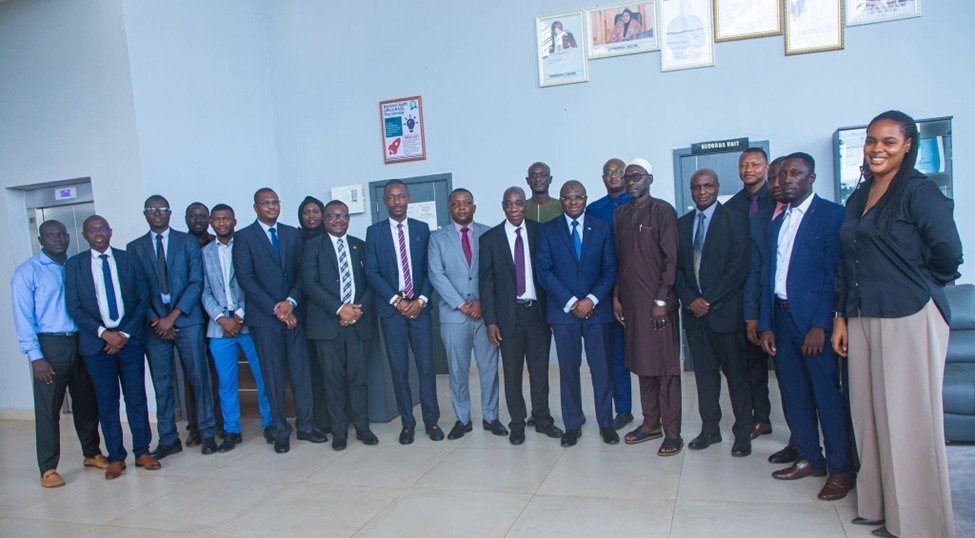
The General Auditing Commission (GAC) of Liberia is hosting officials from the National Audit Office (NAO) this week for a technical exchange aimed at improving the way audit recommendations are followed up and implemented.
The visit is being held under a Memorandum of Understanding between the two institutions and provides an opportunity for officials to share experiences, discuss challenges and examine practical ways to strengthen audit follow-up.
The discussions are focusing on Liberia’s experience with its audit follow-up system, including the legal framework, institutional arrangements, procedures for tracking recommendations, reporting and engagement with government agencies and other stakeholders.
Welcoming the visiting officials, Auditor General Sowe said the work of a Supreme Audit Institution does not end when an audit report is released.
“As Supreme Audit Institutions (SAIs), our responsibility extends beyond identifying weaknesses; it also includes promoting corrective action and encouraging continuous improvement in public administration. Effective follow-up therefore completes the audit cycle and maximizes the value and impact of our audit work,” Sowe said.
He said effective follow-up is necessary to ensure that recommendations contained in audit reports result in actual improvements rather than remaining unaddressed.
According to the Auditor General, properly implemented recommendations can help strengthen government institutions, improve internal controls and enhance the quality of services provided to citizens.
The officials are also expected to examine how audit findings are communicated and followed up with institutions responsible for taking corrective action.
Audit follow-up is considered an important part of the work of Supreme Audit Institutions and is reflected in the principles of the International Organisation of Supreme Audit Institutions (INTOSAI).
The technical visit is expected to strengthen cooperation between the GAC and NAO while allowing both institutions to learn from each other’s experiences in promoting accountability and responsible management of public resources.
The engagement is part of ongoing efforts to strengthen public sector auditing and ensure that audit findings lead to meaningful action within government.