


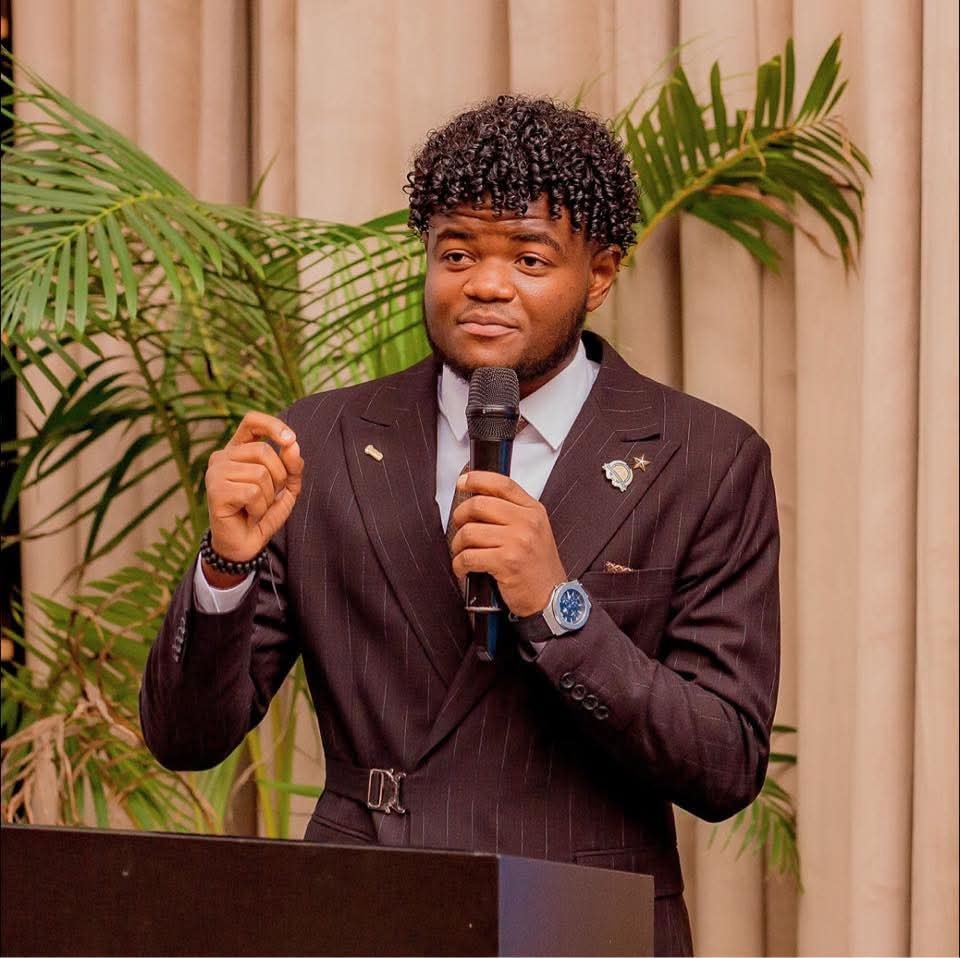
MONROVIA, LIBERIA — Liberian development economist and advocate Otis Togbah Tarwoe has welcomed President Joseph Nyuma Boakai’s decision to speak publicly about the nation’s escalating illicit drug crisis. However, Tarwoe sharply criticized the administration’s approach, arguing that law enforcement alone cannot address the root causes of drug trafficking and abuse.
In a commentary responding to the President’s recent national address, Tarwoe noted that identifying the drug epidemic was “the easy part,” while solving it requires structural changes across Liberia’s economic, institutional, and social systems.
While acknowledging that illicit drugs are destroying the lives of young Liberians and require direct presidential leadership, Tarwoe argued that President Boakai’s remarks failed to address the systemic vulnerabilities that leave Liberia exposed to international trafficking networks.
Tarwoe stressed that government focus on arrests, enforcement, and security operations must be paired with concrete measures targeting high unemployment, limited capital access, weak institutions, and scarce economic opportunities for youth.
He urged authorities not to treat drug trafficking merely as a law enforcement issue, describing it instead as “an economic one wearing a criminal disguise.”
According to Tarwoe, trafficking syndicates exploit weaknesses in ports, border checkpoints, customs systems, and economies where systemic corruption and poor oversight facilitate illegal trade.
He acknowledged that drug trafficking challenges even developed nations like the United States. However, he emphasized that resilient nations succeed by pairing enforcement with robust rehabilitation programs, economic opportunities, and strong institutional safeguards.
Warning against relying solely on police operations, Tarwoe noted that arresting traffickers without removing the economic incentives driving the trade guarantees that new operatives will simply take their place.
“You can arrest every trafficker operating in Liberia this year, and within twelve months, new ones will have quietly taken their place,” Tarwoe argued, emphasizing that arrests alter the individuals involved without changing the economic profitability of the trade.
Addressing the demand side of the crisis, the development economist highlighted how widespread joblessness and a lack of capital leave young Liberians susceptible to illicit activities. When youth see no path toward building sustainable livelihoods, warnings about the dangers of drug abuse carry little weight.
Tarwoe called for immediate investments in vocational training, job creation, and entrepreneurship, insisting that the government must make legitimate economic opportunities more accessible and attractive than illicit alternatives.
Turning to institutional vulnerabilities, Tarwoe noted that if Liberia has become a transit hub for international drug cartels, it exposes critical failures across national ports, customs protocols, and border control systems.
He advocated for comprehensive institutional reforms, including digital monitoring technology, rigorous oversight, and strict accountability measures to make Liberia hostile to organized crime.
Ultimately, Tarwoe warned that crackdown operations without economic development and governance reforms remain temporary fixes rather than long-term solutions.
“The real question isn’t how many arrests were made this month,” Tarwoe said. “It’s whether the underlying pipeline was made structurally harder to sustain.”
While thanking President Boakai for breaking the silence on the drug crisis, Tarwoe emphasized that a presidential address must serve as the launching pad for a comprehensive national strategy rather than the final destination.
He urged the administration to move past performative toughness and tackle the underlying economic and institutional conditions sustaining the drug trade.
“Liberia doesn’t need to look tough on drugs,” Tarwoe concluded. “It needs the discipline to dismantle the reasons the problem exists, and the patience to stay with that work long after the arrests stop making headlines.”
Otis Togbah Tarwoe is a Liberian development economist, advocate, and author.