


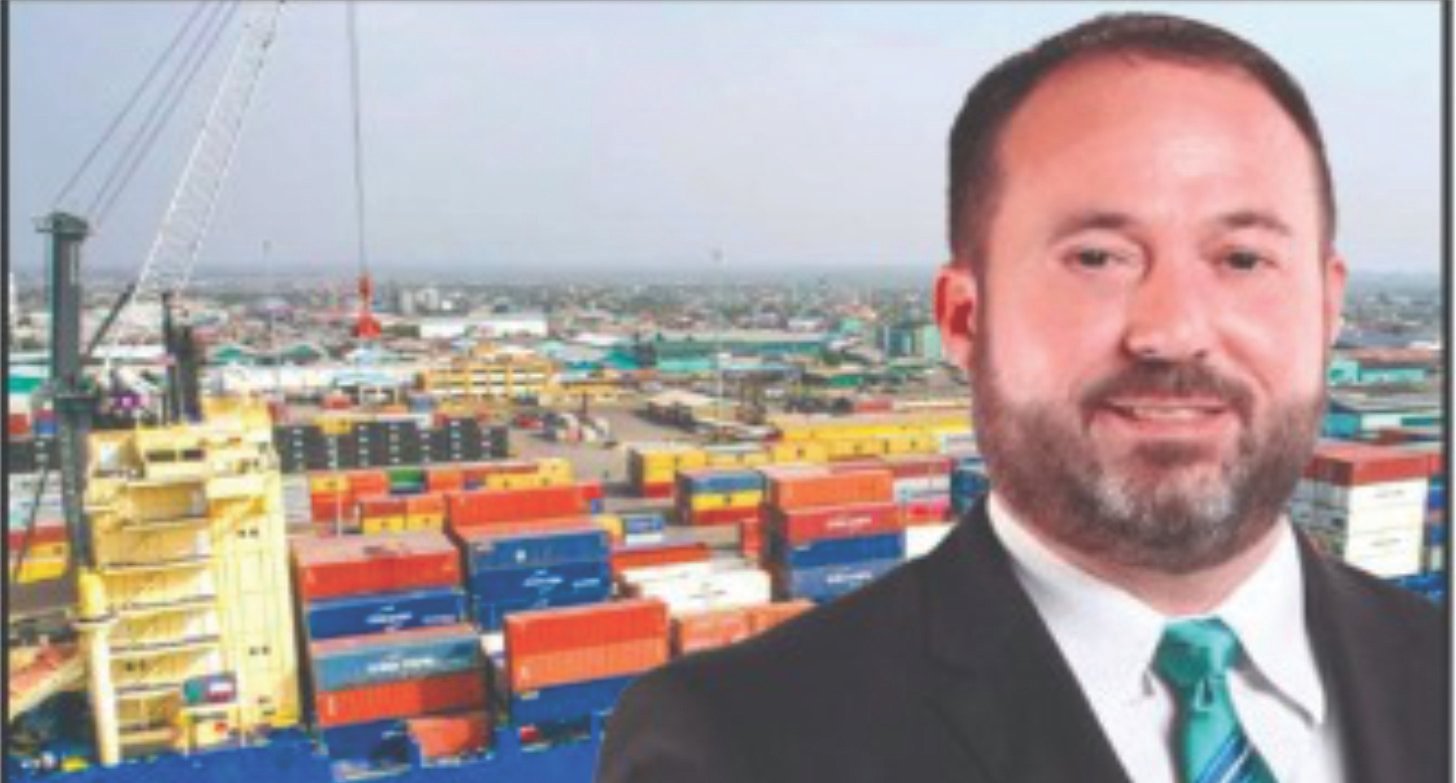
Importers and shipping companies are raising concerns over growing congestion at the Freeport of Monrovia, warning that delays in vessel berthing and container clearance could disrupt the supply of goods ahead of the Christmas season.
Vessels waiting to dock are reportedly spending more than 15 days offshore, while shipments from Abidjan, Côte d’Ivoire, which normally take about three days to reach Monrovia, are now taking between three and four weeks.
The delays are adding to the cost of doing business, with importers facing higher storage and demurrage charges as they struggle to receive their goods.
Anonymous sources familiar with the situation said APM Terminals Liberia has been unable to accommodate incoming vessels because of limited space in its container yard.
According to the sources, ships are being kept offshore while the terminal waits for importers to clear containers already occupying the yard.
A message attributed to Maersk Line also cited congestion at the terminal as the reason for changes in vessel arrival schedules.
“According to APMT, all the current ships outside the Port cannot berth and discharge due to lack of space in the Terminals yard to offload new containers,” the message stated.
It added that vessels would have to wait until importers clear some containers to make room for incoming cargo, pushing back the estimated arrival times of other ships.
An industry source said the delays are affecting the movement of vessels between Monrovia and Abidjan. Ships are expected to discharge their containers in Liberia and return to Abidjan to collect additional shipments.
But when vessels cannot berth and unload, they are unable to make those return trips, leaving other cargo waiting at the transshipment port.
The source warned that the situation could become more difficult as businesses prepare for the Christmas season, when demand for imported goods usually increases.
Shipping lines are reportedly considering suspending bookings, particularly for shipments from China to Liberia, if the congestion is not addressed.
The source said the cost of keeping vessels waiting in Liberian waters is becoming a major concern for shipping companies.
Importers and other business operators are also complaining about mounting expenses caused by delayed deliveries, storage charges and demurrage.
NPA Establishes Committee to Address Congestion
In response to the growing concerns, the National Port Authority (NPA) has established a technical committee to examine the causes of berth congestion, container delays and increased vessel waiting times at the Freeport of Monrovia.
The committee, headed by Mohammed Calico Lavalie, was appointed by NPA Managing Director Sekou A. M. Dukuly following a meeting with port stakeholders at the Authority’s headquarters.
The meeting brought together the Consortium of Liberian Importers from China, the Ministry of Commerce, Trade and Industry, the Liberia Revenue Authority, the Truckers Union of Liberia, APM Terminals Liberia, the Customs Brokers Association, shipping lines and NPA management.
Speaking at the meeting, Dukuly described the Freeport of Monrovia as “the heartbeat of the Liberian economy,” stressing the importance of keeping the port operating efficiently.
He acknowledged that delays in container clearance, growing yard occupancy and longer truck turnaround times were affecting port operations and increasing costs for businesses.
“Container dwell time has risen beyond acceptable thresholds. Yard occupancy is approaching levels that reduce operational flexibility, and truck turnaround times are lengthening. Delays in documentation and release are driving up storage and demurrage costs,” Dukuly said.
He warned that the financial burden does not end with importers but is eventually passed on to consumers.
“These costs do not end at the port. They travel to the importer, and they finish their journey in the pocket of the Liberian consumer,” he stated.
Dukuly said the NPA has been working with APM Terminals to improve yard planning, address equipment availability and remove empty and overstayed containers that take up space.
He also pointed to efforts to improve traffic management around the port, reduce duplicate customs inspections, process shipping documents before vessels arrive and strengthen coordination among truckers, customs brokers and other port users.
However, he said the problem requires a coordinated response involving all parties in the cargo handling process.
The committee is expected to identify bottlenecks from the berth to the port gate and recommend practical measures, with clear responsibilities and timelines.
Proposed interventions include introducing a truck appointment system and extending cargo clearance hours.
Dukuly assured stakeholders that the NPA would continue working with them to address the delays.
“The management of the NPA is ready to lead, ready to listen, and ready to act,” he said.
Shipping Lines Raise Christmas Concerns
The President of the Shipping Lines of Liberia also warned that continued delays could affect businesses during the approaching Christmas season.
He said the second quarter of importation had ended, while the final quarter, which brings increased demand for goods, was already approaching.
According to him, some vessels have remained idle in Abidjan for extended periods because of congestion in Monrovia.
He cautioned that if the situation continues, Liberian businesses could suffer significant financial losses during the busy Christmas trading period.
APM Terminals Reports Improvement in Container Handling
For its part, APM Terminals Liberia thanked stakeholders for focusing on solutions rather than blame and reported improvements in cargo handling.
The company said more than 800 containers were being discharged within 24 hours.
However, APM Terminals also reminded importers that the port was built to handle the movement of cargo, not to serve as a storage facility for containers awaiting clearance.
The company said the normal five-day free period for consignees had been extended to 14 days to accommodate delays in clearing goods.
While the extension gives importers additional time, it also means containers remain in the terminal longer, reducing the space available for incoming cargo.
The situation has left port operators and importers facing a difficult challenge: vessels need available yard space to discharge new containers, but uncleared cargo continues to occupy the space needed to receive them.
Businesses Await Relief
As the Christmas season draws closer, importers and shipping industry sources are calling for urgent measures to ease congestion and prevent further disruption to the movement of goods.
The delays have raised concerns about shipping schedules, particularly for businesses importing goods from China through Abidjan.
Industry sources warn that a suspension of bookings by shipping lines could create further difficulties for importers and businesses that depend on overseas supplies.
The NPA’s technical committee is expected to work with stakeholders to identify the causes of the delays and recommend measures to improve vessel movement, container clearance and cargo handling.
For businesses waiting for their shipments, the immediate concern is whether the congestion will ease before the Christmas rush begins.
For consumers, the concern is whether the delays and additional costs will affect the availability and prices of goods during the festive season.