


Liberia must strengthen its healthcare system to prepare for future disease outbreaks and ensure that all citizens can access medical services, health experts have warned.
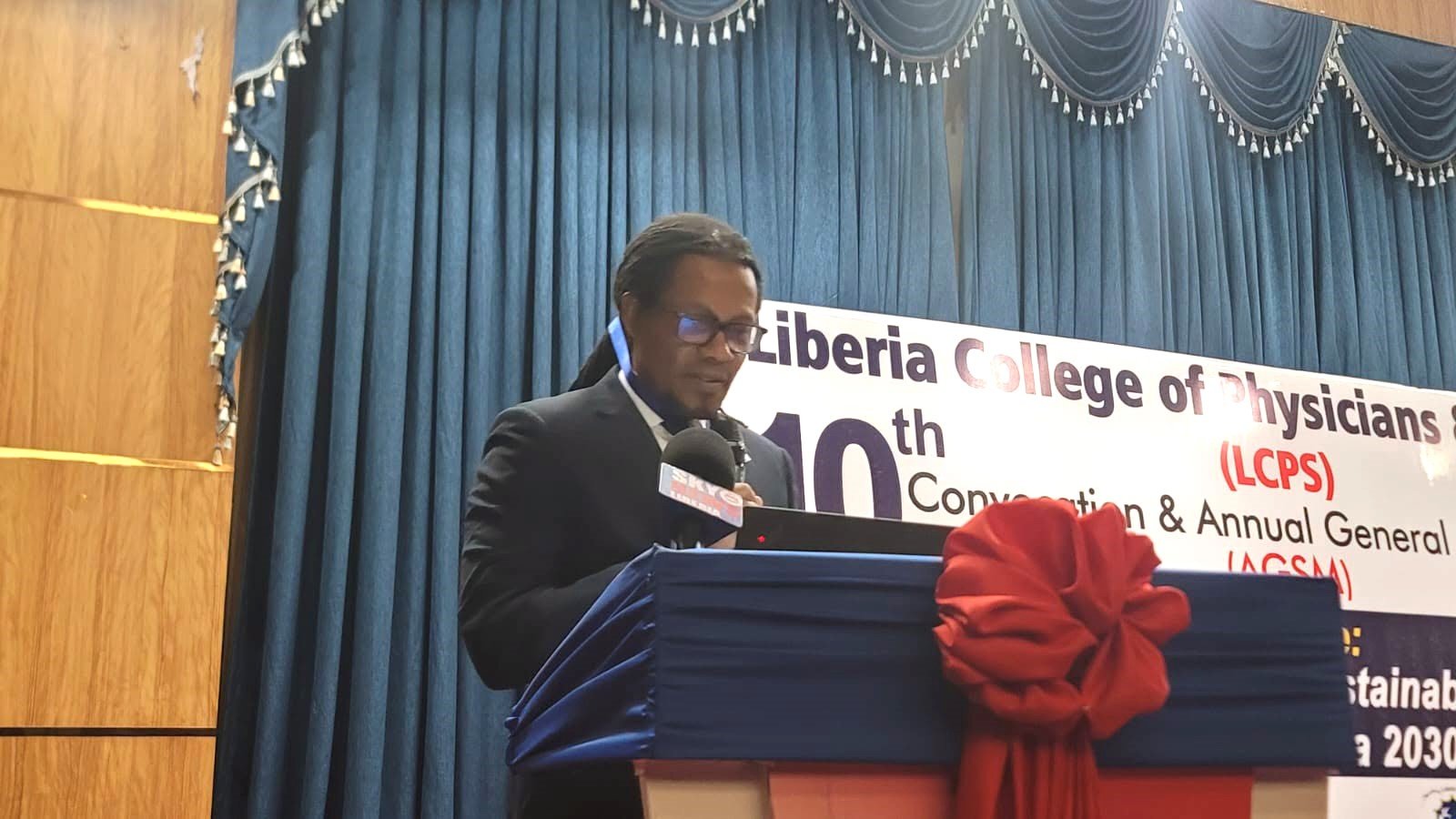
The call came Thursday, September 17, 2026, at the opening of the Liberia College of Physicians and Surgeons’ (LCPS) 10th Convocation and Annual General Scientific Meeting at the EJS Ministerial Complex in Monrovia.
The meeting, held under the theme “Resilient, Equitable, and Sustainable Health Systems for Liberia 2030,” brought together health professionals to discuss the challenges facing the country’s healthcare system.
Dr. Philderald Pratt, Secretary General of the College, said the annual meeting gives doctors and researchers an opportunity to share knowledge and discuss health problems affecting the country.
“The purpose of the scientific meeting, of course, is to bring together doctors, researchers and the like to share ideas, to share knowledge on important scientific topics, on issues that are emerging within our society,” Dr. Pratt said.
He said the discussions are focused on making healthcare more accessible and sustainable for Liberians.
“We are looking at the issues around sustainability. We are looking at the issues around equity. All of this to ensure that we provide comprehensive healthcare for our people by the year 2030,” he said.
Dr. Pratt said the College has continued to bring medical professionals together in Liberia to discuss issues affecting the health sector.
“Before the year 2012, such an event was unheard of,” he said.
He recalled that the College held its first annual scientific meeting at Monrovia City Hall, where then-Vice President Joseph Nyuma Boakai delivered the keynote address. The occasion also marked the installation of the College’s first executive members and the induction of its foundation fellows.
This year’s meeting includes panel discussions, group sessions and poster presentations.
NPHIL Cites Challenges in Outbreak Preparedness
Dr. Julius Gilayeneh, Deputy Director General of the National Public Health Institute of Liberia (NPHIL), said the country has made progress in preparing for disease outbreaks but still faces major challenges.
He identified funding, the monitoring of diseases that spread between animals and humans, shortages of health workers, risk communication and community engagement as areas that need attention.
Reflecting on Liberia’s experiences with Ebola and COVID-19, Dr. Gilayeneh said the country continues to face challenges in preparing for public health emergencies.
He said COVID-19 put pressure on the country’s disease surveillance system, laboratories and hospitals, including their oxygen supplies and bed capacity.
“COVID-19 also provided an opportunity to test our systems’ preparedness,” he said.
“And we saw how COVID-19 overstretched our surveillance systems, laboratory, oxygen capacity in hospitals, bed space,” he added.
Dr. Gilayeneh also named Lassa fever, measles and yellow fever among the diseases placing pressure on Liberia’s limited health resources.
He warned that the country must remain prepared for future outbreaks.
“Now that we live in a pandemic era, it is not a matter of whether or not we will have an outbreak, but it’s a matter of when and how prepared we are for the next outbreak,” he said.
Despite the challenges, Dr. Gilayeneh said Liberia has improved its public health system over the past decade through training, stronger disease surveillance, laboratory improvements and better coordination.
He said the country has also expanded its field epidemiology workforce and strengthened its emergency operations and One Health system.
However, he stressed that improvements in infrastructure and training must translate into the ability to respond effectively when an outbreak occurs.
Lumax Calls for Less Dependence on Foreign Aid
Dr. Maxo Luma said Liberia must move beyond rebuilding its health system after emergencies and focus on keeping services running when the next crisis comes.
Congratulating the LCPS on its 10th annual scientific meeting, he said the country’s health system needs strong leadership, partnerships and practical solutions to meet its 2030 goals.
“That future will require more than resources alone. It will require leadership, partnership, and innovation,” Dr. Luma said.
He said Liberia’s experiences with war, Ebola and COVID-19 show why the country cannot rely on recovery alone.
“Recovery is important. It is necessary because it does save lives. Yet, recovery alone keeps us trapped in a cycle of rebuilding what was lost,” he said.
Dr. Luma explained that recovery happens after a crisis, while resilience means having a system that can continue serving people when another emergency strikes.
“Recovery is about what happens after a crisis. Resilience is about what exists before the crisis begins,” he said.
He recalled that when Ebola struck Liberia in 2014, the country was still recovering from years of civil conflict.
Citing figures from that period, Dr. Luma said there were approximately 45 doctors in the public health system serving a population of nearly 4.5 million people.
He said the Ebola outbreak exposed the weaknesses of a health system that was already struggling.
“Ebola was the spark, but a weakened and under-resourced health system served as fuel,” he said.
Dr. Luma also pointed to the work of community health workers, saying they help identify health threats early and connect people to medical care.
“The best line of defense now is pretty much the community itself,” he said.
Health Funding Cuts Raise Concerns
Dr. Luma warned that reductions in international health funding are creating difficulties for Liberia and other countries.
He questioned whether a country could maintain a resilient health system if it relied heavily on foreign assistance.
“Can a health system be truly resilient if it depends strongly on international or foreign aid?” he asked.
He said Liberia needs to invest more in its own health system, train and retain medical workers, and strengthen primary healthcare.
“The patient’s need doesn’t disappear when the grant expires,” he said.
Dr. Luma said international partners remain important, but Liberia must take greater responsibility for sustaining healthcare services.
“The future of Liberian health system must be designed, led, and sustained by Liberian,” he said.
He also stressed that healthcare must reach people in rural communities and other underserved areas, including women and girls, children and people living with disabilities.
“A resilient health system for some is not a resilient health system,” he said.
Dr. Luma said the country must address shortages of health workers, ensure the availability of medicines and supplies, and reduce the financial barriers that prevent people from seeking care.
He added that new technologies and approaches should help close gaps in healthcare rather than make them wider.
Looking ahead to 2030, he said Liberia needs a health system that can respond to new threats while continuing to provide quality services to all citizens.
He said progress should be measured by whether people can still receive care during emergencies and whether the country can maintain its health services when external funding changes.
The LCPS meeting is expected to continue with discussions and presentations on issues affecting Liberia’s healthcare system.