

By Korhai (Pen Name)
Women occupy only 11 of Liberia’s 103 legislative seats, representing 10.7 percent of lawmakers, while men hold the remaining 92 seats, according to figures provided in an analysis of women’s political representation.
The figures highlight a wide gap between women’s representation in Parliament and their share of the population. Women account for 49.6 percent of Liberia’s population, or 2.6 million people, yet hold barely one in every 10 legislative seats.
The analysis puts the gender gap in political representation at 78.6 percentage points, raising questions about women’s participation in national decision-making as Liberia approaches the 2029 elections.
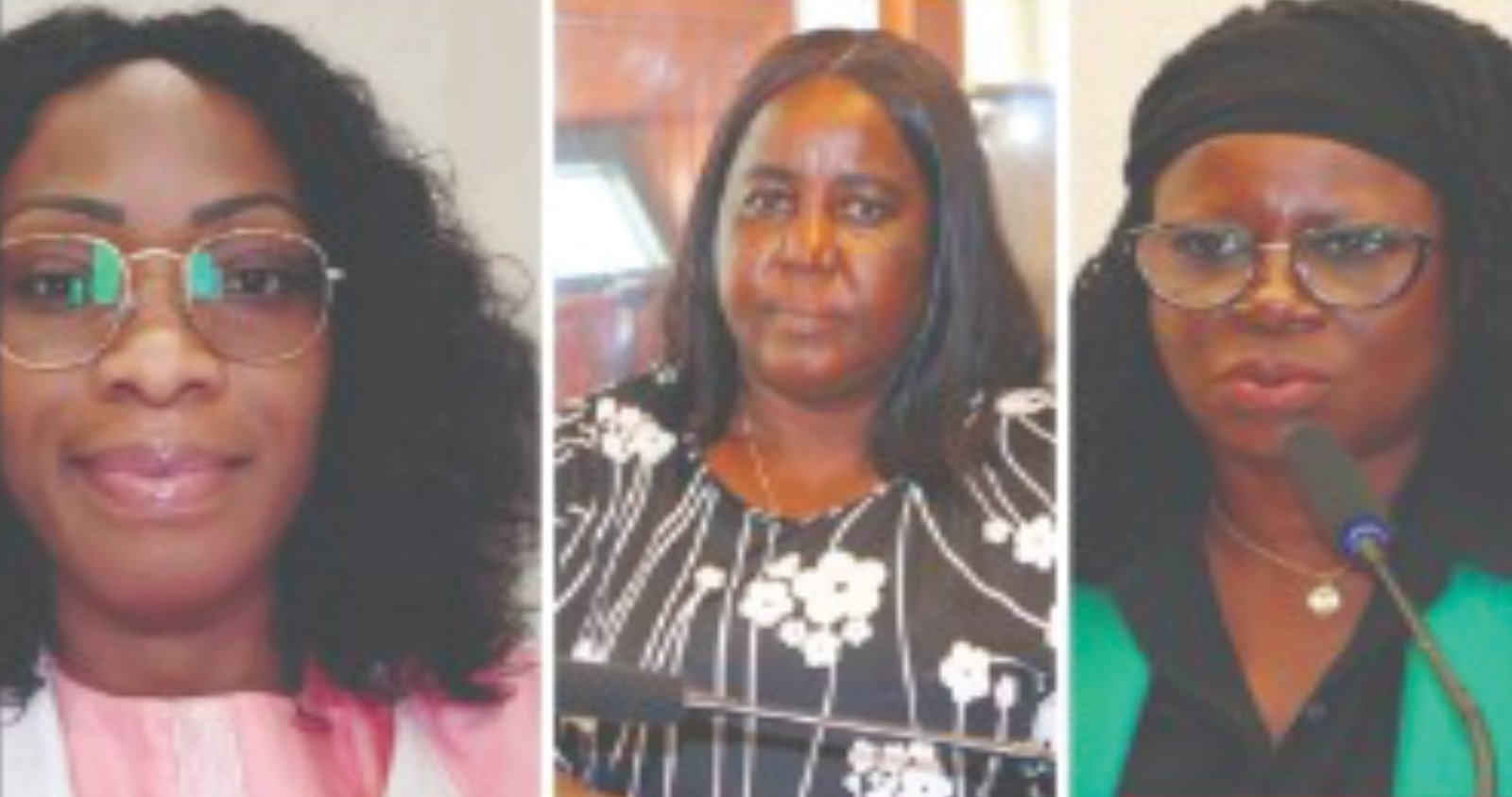
Three women serve in the Senate: Nyonblee Karnga-Lawrence of Grand Bassa, Botoe Kanneh of Gbarpolu and Dabah M. Varpilah of Grand Cape Mount.
The House of Representatives has eight women, representing Grand Cape Mount, Montserrado, Margibi, Lofa, Grand Gedeh and Bong counties.
Grand Cape Mount has three women lawmakers, while Montserrado has two. Six other counties each have one woman representative, while seven counties have no women in the Legislature, according to the figures.
Constituents to Assess Women Lawmakers
As the 2029 elections approach, a proposed public opinion poll seeks to hear from constituents about the performance of women lawmakers, their campaign promises and their impact on their communities.
Voters will be asked whether their representatives have addressed local concerns, delivered on their commitments and earned their support for another term.
The proposed poll also aims to contribute to the wider discussion about women’s political representation and Liberia’s efforts to achieve gender equality by 2030.
Call for Greater Women’s Participation
The analysis calls on more Liberian women to take part in politics and public service, while urging political parties to create greater opportunities for women to contest elective positions.
It also raises questions about the role of political parties in encouraging women’s participation and addressing the gap in representation.
The issue relates to the United Nations Sustainable Development Goal 5, which promotes gender equality and calls for women’s full and effective participation in leadership and decision-making.
As Liberia looks toward the 2029 elections, the central question remains whether women will gain greater representation in the Legislature and what role voters, political parties and current lawmakers will play in that process.