

Liberia has joined the Smart Africa Alliance as its 43rd member, opening opportunities for the country to work with other African nations to improve internet access, strengthen digital services and expand technology-based businesses.
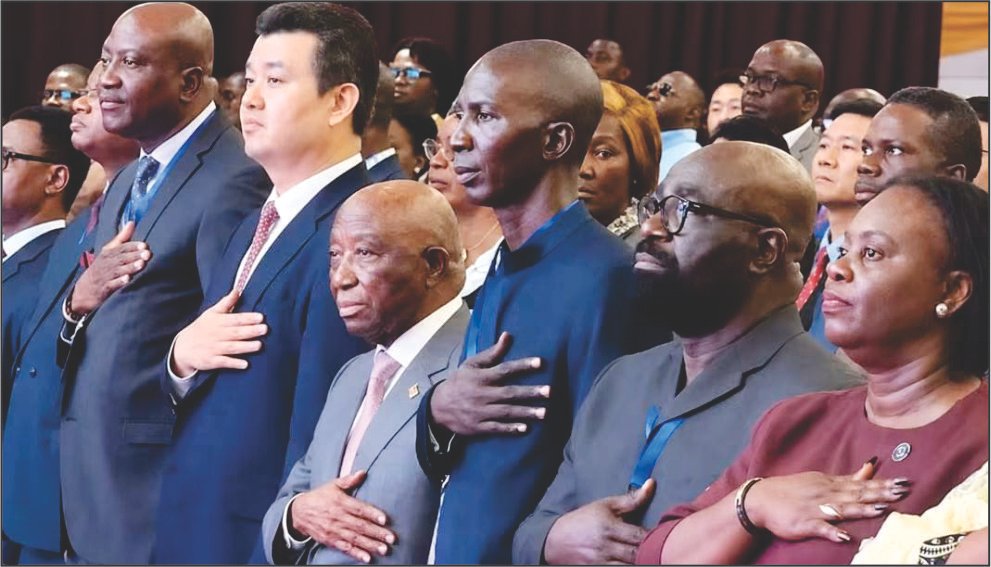
The announcement was made on the sidelines of the Global AI and Digital Summit in Seoul, South Korea, with the approval of President Joseph Nyuma Boakai Sr.
Liberia’s membership follows the issuance of Executive Order No. 163 in April, which established the Office of Technology, Digitalization and Innovation within the Presidency to coordinate the government’s digital transformation efforts.
The Liberian delegation is led by Minister of State for Presidential Affairs and Presidential Chief of Staff Samuel A. Stevquoah. Other members include Posts and Telecommunications Minister Sekou Kromah and Liberia’s Chief Information Officer, Sheikh Sheriff.
The Smart Africa Alliance brings together African governments, international organisations and private sector partners to promote the use of digital technology in economic development. Its goal is to help build a single African digital market by 2030.
For Liberia, membership offers an opportunity to learn from other countries, attract technology-related investment and strengthen the systems used to deliver public services.
The government says cooperation through the alliance could help expand broadband internet access, improve digital infrastructure and make government systems more efficient. It could also support efforts to strengthen cybersecurity and protect citizens’ personal information.
The partnership is also expected to create opportunities for young people, entrepreneurs and public officials to develop their technology skills through training programmes, including those offered under the Smart Africa Digital Academy.
Liberian businesses could also benefit from wider connections with technology companies and investors across the continent, potentially opening access to new markets and business partnerships.
The government hopes to use digital technology to improve services in areas such as education, healthcare, agriculture and public administration. Artificial intelligence and better data management are among the areas where cooperation with other African countries could support new approaches to service delivery.
However, the benefits will depend on how effectively the government turns the membership into practical programmes. Expanding internet access, providing training, securing funding and ensuring that government institutions work together will be important to making progress.
Liberia’s entry into the alliance forms part of President Boakai’s broader effort to modernise public institutions and use technology to improve government operations.
The government says it intends to build partnerships and identify projects that respond to the country’s needs.
Ultimately, the value of Liberia’s membership will depend on whether it leads to better public services, wider access to digital technology and more opportunities for Liberians to participate in the growing digital economy.