


The Asset Recovery and Property Retrieval Taskforce (AREPT) is calling for stronger cooperation among government institutions, lawyers and international partners to help Liberia recover assets linked to corruption and illicit financial activities.
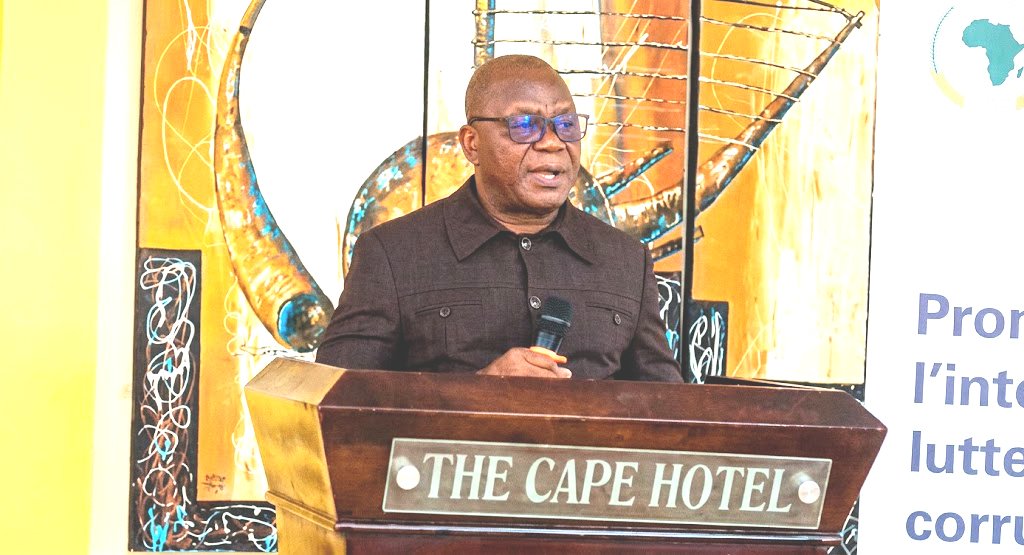
AREPT Chairperson Cllr. Edwin Kla Martin made the call during a regional training on asset recovery and illicit financial flows held in Monrovia.
The training brought together stakeholders to discuss ways of improving the identification, investigation, prosecution and recovery of assets believed to have been acquired illegally.
Cllr. Martin said no single institution can effectively fight corruption on its own and urged all stakeholders to work together.
“The fight against corruption is not done by an individual or by an institution alone. It is a collective involvement of all actors,” Cllr. Martin said.
He said AREPT is currently involved in court proceedings aimed at pursuing accountability and recovering public resources. He also noted that the Taskforce is working with international partners on cases that involve issues outside Liberia.
According to Cllr. Martin, cooperation with foreign partners is important because some assets linked to illicit activities may be moved across national borders.
He stressed that efforts to recover such assets must be carried out in line with due process, the rule of law and international legal procedures.
Cllr. Martin said the knowledge and experience shared during the training should be put into practice to improve Liberia’s efforts to trace and recover public assets.
AREPT said it remains committed to working with relevant institutions and international partners to strengthen asset recovery and promote accountability.
The Asset Recovery and Property Retrieval Taskforce was established by President Joseph Nyuma Boakai under Executive Orders 126 of 2024 and 145 of 2025, as well as provisions of the Liberia Penal Code and international asset recovery frameworks.
The Taskforce operates under the principle that “RECOVERED ASSETS ARE NATIONAL ASSETS,” with the view that recovered public resources can help support infrastructure, public services and public trust in government.