


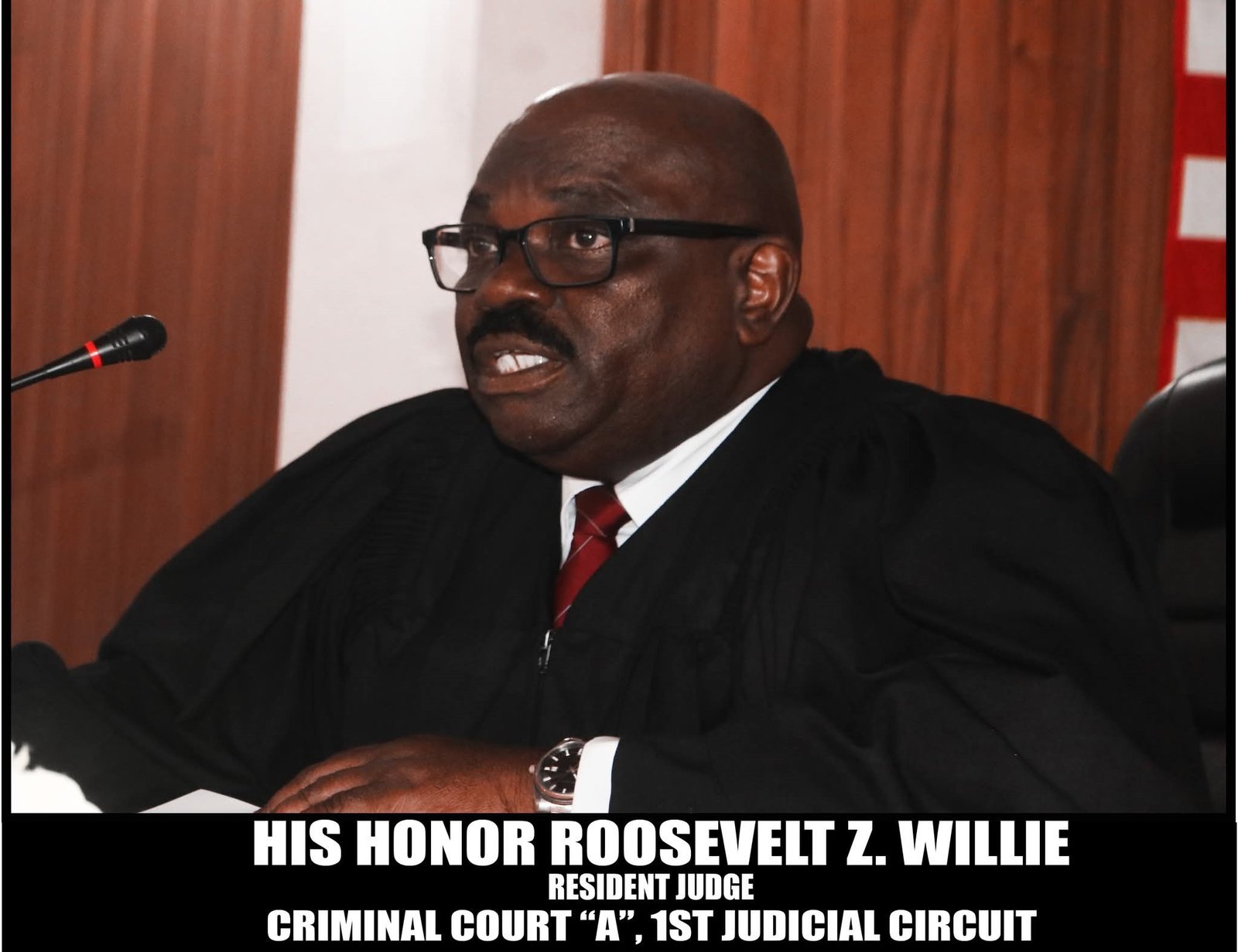
One of Liberia’s biggest human trafficking cases is nearing a verdict as Criminal Court ‘A’ at the First Judicial Circuit for Montserrado County prepares to hear final arguments in the trial involving 57 alleged victims who were promised jobs and travel opportunities to Canada but instead were allegedly trafficked and exploited.
The case involves 22 women and 35 men, aged between 18 and 36, who were recruited from seven counties between 2024 and 2025. Prosecutors say the victims were deceived with promises of a better future abroad before being brought to Monrovia, where they were allegedly held under harsh conditions.
After nearly a month of testimony, both the prosecution and the defense have closed their cases, presenting witnesses and documentary evidence. The court is expected to announce a date for final arguments in the coming days.
The defendants, Bill Plato, Preston Godfred, Alexander Plato, Jerome Gensen, Luter Flomo, Woe Zekarso Garteh, Elijah Smith, Dennis Suah, Boima Saye, Mathianline Tompia, Shalley Jonny and Blessing Favor Suah—are alleged to be employees of Q-net, also operating under the names Infinity Millennials and Platinum Star Limitless, with offices in Gbangba Town along the Roberts International Airport Highway.
According to the prosecution, the defendants worked together to obtain a total of US$124,921 from the victims through false promises of overseas employment and travel.
Prosecutors further alleged that after arriving at the company’s compound, the victims were confined, had their mobile phones and travel documents taken from them, and were denied the freedom to leave. They were allegedly forced to live in degrading conditions until they were rescued in September 2025.
The defendants are charged under Liberia’s 2011 Trafficking in Persons Law, which makes it a criminal offense to recruit, transport, transfer, harbor or receive a person through force, fraud, deception, coercion or abuse of power for the purpose of exploitation.
Several victims told the court they believed they were being recruited for legitimate opportunities in Canada. Instead, they testified that they were subjected to forced labor and exploitation after arriving in Monrovia.
Because of the number of victims and the seriousness of the allegations, the case is widely regarded as one of the most significant human trafficking prosecutions in Liberia’s recent history.
The court’s ruling is expected to have far-reaching implications for efforts to combat human trafficking and protect vulnerable people across the country.