

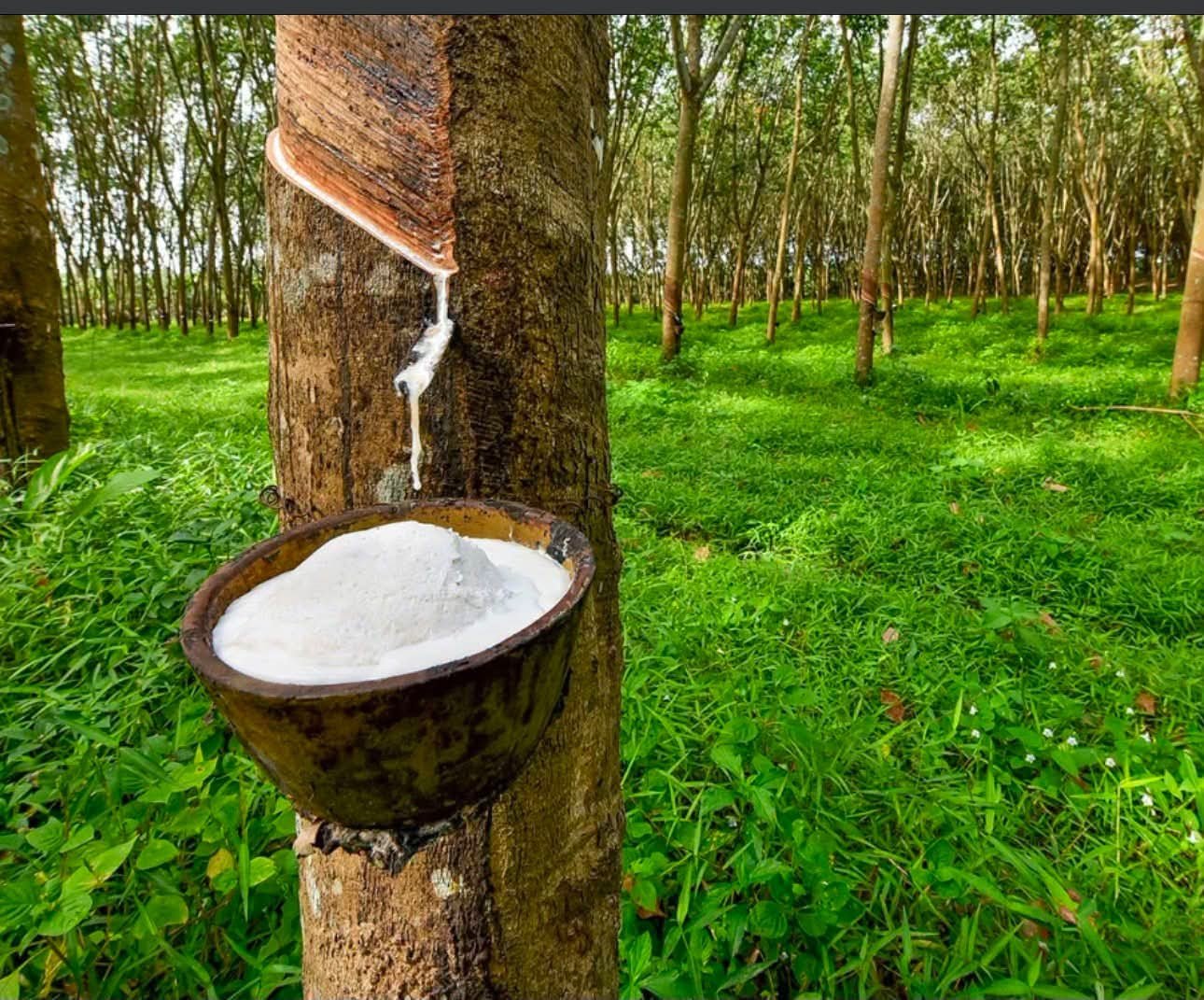
Liberia’s rubber farmers have welcomed President Joseph Nyuma Boakai’s decision to ban the export of unprocessed natural rubber, describing the move as a major step toward strengthening the country’s rubber industry and improving the lives of thousands of smallholder farmers.
The Rubber Planters Association of Liberia (RPAL), the country’s largest organization representing rubber farmers, said the new policy could help end years of exporting raw rubber with little benefit to local producers. The association believes the measure will encourage domestic processing, create jobs and ensure more of the industry’s value remains in Liberia.
RPAL President Wilhelmina G. Mulbah Siaway praised Executive Order No. 166, saying it reflects the government’s commitment to protecting the interests of Liberian farmers.
“This is a landmark policy that demonstrates President Boakai’s unwavering commitment to protecting the livelihoods of Liberian rubber farmers. It will encourage more rubber to be processed in Liberia before it is exported,” Siaway said.
Signed on June 26, Executive Order No. 166 took effect on July 1 and indefinitely prohibits the export of unprocessed natural rubber. The ban covers raw latex, cup lump, bark scrap and other unprocessed rubber products, while processed products such as Technically Specified Rubber (TSR), ribbed smoked sheets and latex concentrate remain eligible for export.
The government says the policy is intended to promote value addition, expand local manufacturing, create employment and increase government revenue by reducing the export of raw materials.
Siaway said the decision addresses long-standing concerns within the sector.
“For decades, Liberian rubber farmers have endured unfairly low farm-gate prices, exploitation by illegal middlemen, and the continuous export of raw rubber without meaningful value being added to our economy. Meanwhile, other countries have benefited from processing Liberia’s rubber while many of our farmers have remained poor,” Siaway said.
RPAL believes the policy will increase demand for locally produced rubber, support the growth of domestic processing plants and create employment opportunities for technicians, factory workers and young people.
The association also expects the measure to reduce illegal cross-border trade and strengthen licensed businesses, while helping the government collect more revenue from the sector.
“This policy will protect farmers’ livelihoods by reducing exploitation at the farm gate and promoting more stable and competitive prices for raw rubber. It will also allow Liberia to earn more from its rubber before the products reach international markets,” Siaway added.
Under the Executive Order, companies that violate the ban risk stiff penalties, including the seizure of illegally exported rubber, fines of up to US$100,000 for corporate offenders, and the loss of export privileges for repeat violators and possible criminal prosecution.
The government has tasked the Ministries of Agriculture, Commerce and Industry, Finance and Development Planning, the Liberia Revenue Authority and the Rubber Development Fund with enforcing the new policy.
The Executive Order also directs the Ministry of Commerce and Industry, in collaboration with the Ministry of Agriculture, to develop regulations within 30 days to improve market access for smallholder farmers, particularly those in rural communities.
RPAL said it is ready to work with the government, licensed processors and development partners to ensure the policy delivers its intended benefits.
“We are confident that, with effective implementation and continued collaboration, this policy will open a new chapter for Liberia’s rubber industry and improve the lives of thousands of farming families who depend on rubber production,” Siaway said.