


By: Journalist Archie Ayouba Boan
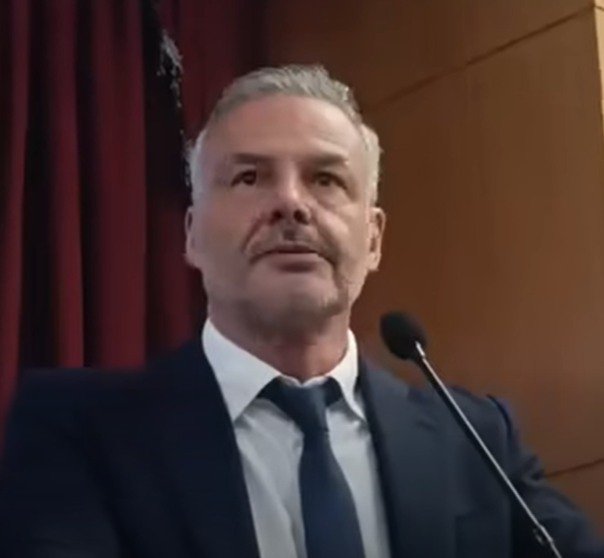
Members of the 55th House of Representatives on Thursday openly complained that they could not understand the accent of the General Manager of APM Terminals during a high-profile appearance before Plenary, with some lawmakers humorously but pointedly remarking, “He is speaking Siris; we need an interpreter.”
The comment came during ongoing deliberations involving several government institutions and private sector actors summoned by the House to respond to mounting concerns over what lawmakers described as excessive and unjustified charges being imposed on businesses and ordinary Liberians at the nation’s seaports.
According to multiple lawmakers present during the hearing, communication became increasingly difficult as the APM Terminals boss attempted to present his statement before the august body.
“We can’t understand anything he is saying,” some lawmakers complained from the floor, prompting laughter and side comments across the chamber.
Despite the communication challenges, the APM boss was eventually able to conclude his presentation after copies of his prepared statement were distributed among lawmakers to aid comprehension.
The hearing stems from concerns raised by Grand Bassa County District #2 Representative Hon. J. Clarence T. Banks regarding alleged unfair and burdensome charges affecting the Liberian business sector and consumers through port-related transactions.
Those appearing before the House included the Minister of Commerce & Industry, the Commissioner General of the Liberia Revenue Authority (LRA), the Managing Director of the National Port Authority (NPA), the President of the Liberia Business Association (LIBA), the General Manager of Global Tracking & Maritime Solution (GTMS), the President of the Customs Brokers Association of Liberia, the General Manager of APM Terminals, the General Manager of MTS Inspection Services Ltd., and the General Manager of METECH Scientific.
The House hearing focused on growing public frustration over rising port costs, importation fees, and what many business owners describe as exploitative charges contributing to the increasing cost of goods and services across Liberia.