


By Myean Torgbean
The International Monetary Fund (IMF) has approved a 21-month financing arrangement of approximately US$266 million for Liberia under its Resilience and Sustainability Facility (RSF), providing a significant boost to the country’s economic reform and resilience efforts.
In a statement issued on April 27, 2026, the IMF said Liberia’s economy continues to demonstrate strong momentum, with growth accelerating to 5.1 percent in 2025, largely driven by increased mining production.
The Fund also noted that the country’s political environment remains conducive to implementing reforms under the government’s ARREST Agenda for Inclusive Development.
The RSF program is expected to support Liberia’s climate adaptation initiatives, strengthen resilient infrastructure, and improve pandemic preparedness. It will also help mobilize additional external financing and provide balance of payments support to the Central Bank of Liberia.
Following the Executive Board’s decision, IMF Acting Chair and Deputy Managing Director Bo Li commended the Liberian government for maintaining sound macroeconomic policies and advancing structural reforms.
“Fiscal adjustment has helped reduce debt vulnerabilities,” Li said, noting that expenditure rationalization has enabled the government to redirect resources toward priority investments and social programs, though more progress is needed. He added that temporary, targeted subsidies have been introduced to cushion the impact of high oil prices, particularly on public transportation.
Liberia’s Minister of Finance and Development Planning, Augustine Kpehe Ngafuan, welcomed the IMF’s approval, describing it as a milestone in the country’s development journey.
“We are elated that our country has been approved to receive additional financing for development and macroeconomic stability under the RSF,” Ngafuan said.
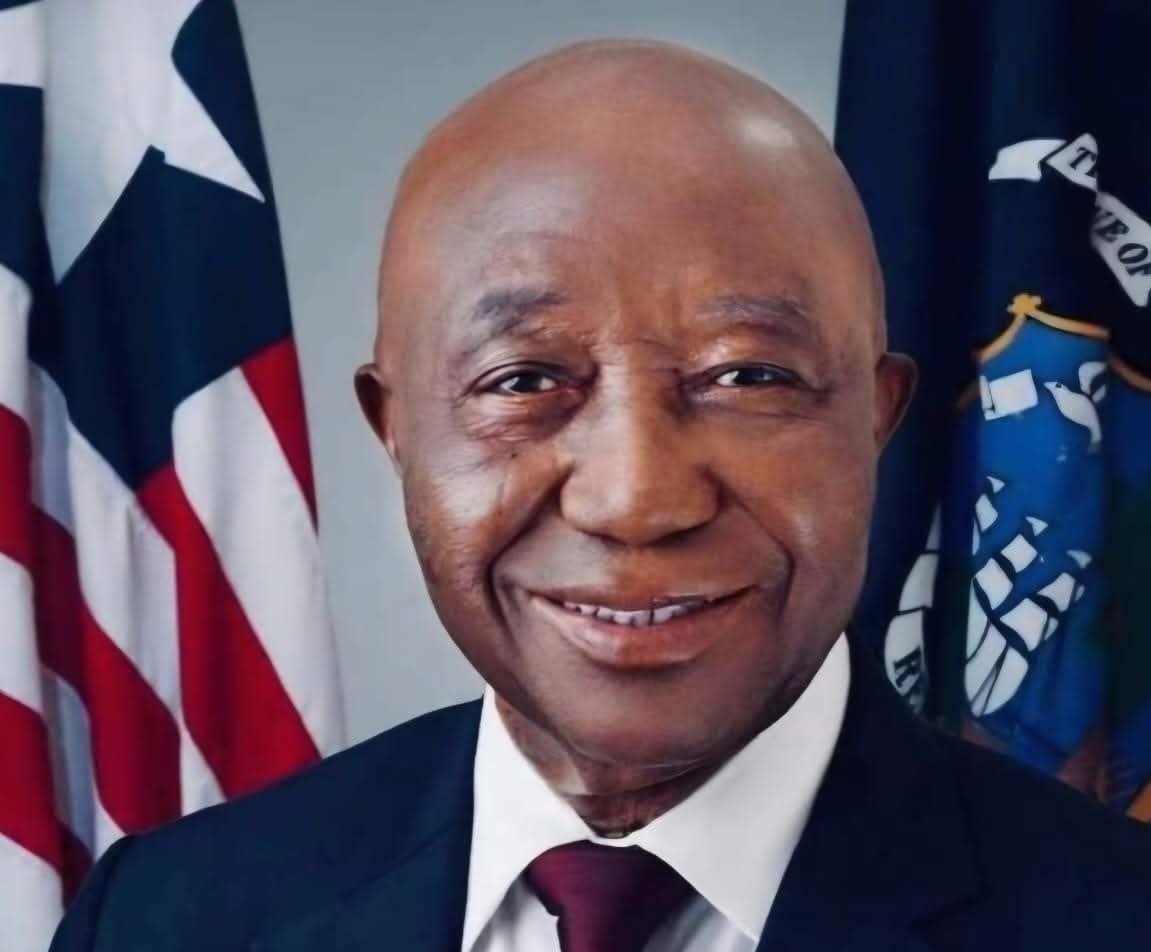
He credited Joseph Nyuma Boakai for his leadership, noting that Liberia met key benchmarks and indicators required to qualify for the facility.
Ngafuan explained that the funds will be disbursed over 21 months, subject to the achievement of specific performance targets. He added that the approval signals growing international confidence in Liberia’s reform agenda and commitment to sustainable development.
The minister also referenced discussions held during the recent IMF/World Bank Spring Meetings in Washington, D.C., where Liberian officials highlighted the potential economic impact of the ongoing Middle East crisis and outlined measures to mitigate external shocks.
In a related development, the IMF Executive Board concluded the third review of Liberia’s 40-month Extended Credit Facility (ECF) program, unlocking an immediate disbursement of US$26.49 million. Total disbursements under the arrangement have now reached approximately US$105.96 million.
The ECF program, valued at about US$223 million and approved in September 2024, is designed to help Liberia restore macroeconomic stability, ensure debt sustainability, safeguard financial systems, and strengthen governance.
The Liberian government has reaffirmed its commitment to sustaining reform momentum, enhancing economic governance, and leveraging international partnerships to drive inclusive growth and long-term national development.