

By G. Watson Richards
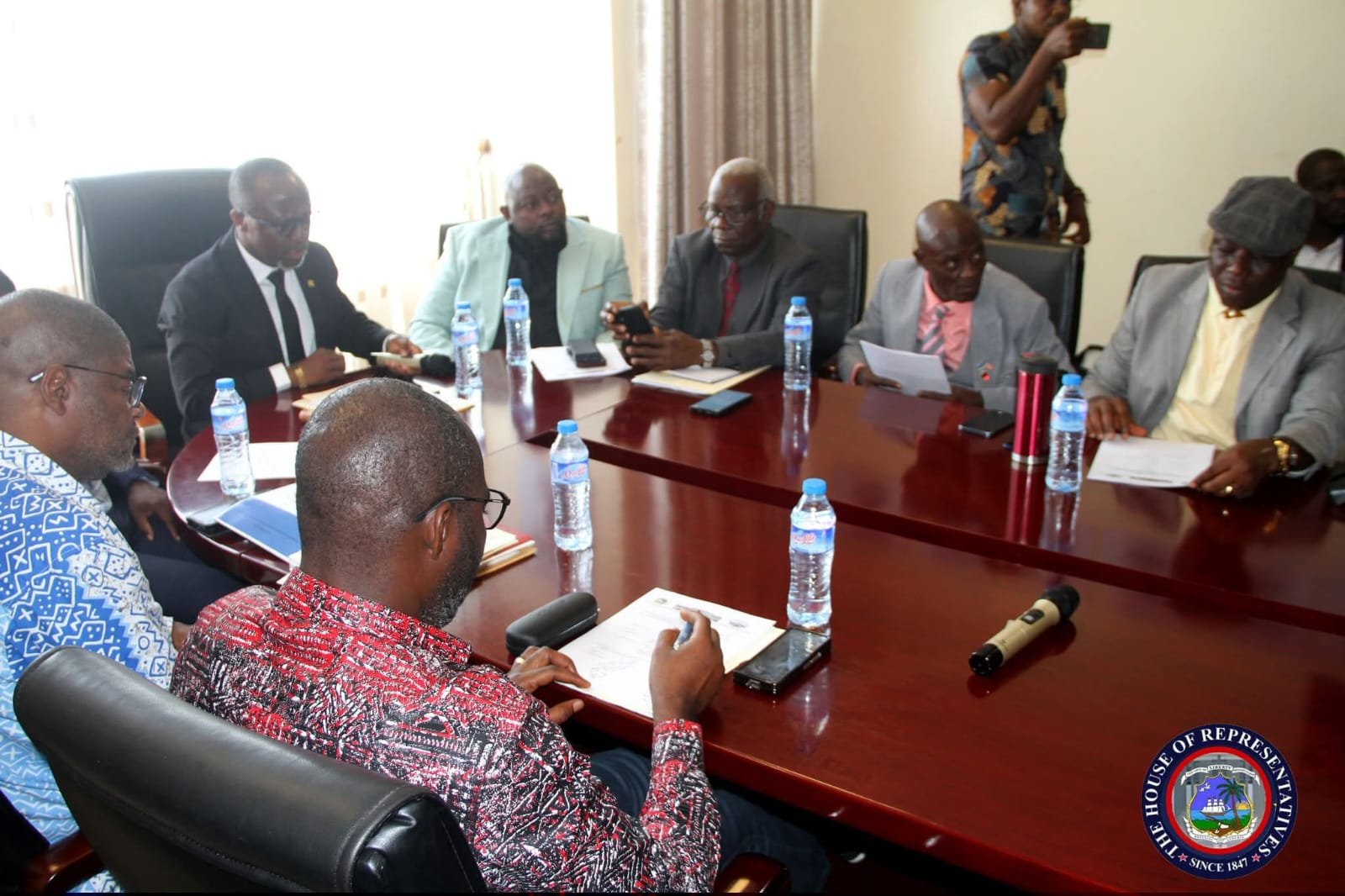
The Joint Legislative Committee on Ways, Means, Finance, and Budget has commenced public hearings on Liberia’s proposed 2026 supplementary budget, valued at US$45 million, as lawmakers and executive officials debate its fiscal justification and spending priorities.
Acting Finance Minister Anthony G. Myers on Friday presented the policy framework of the proposal, urging legislators to assess the adjustment not by its size but by its compliance with public financial management regulations and its alignment with national development priorities.
“In the interest of accountability, it is required that we report to the people that we have received resources above what was approved by their representatives,” Myers told the committee.
The supplementary budget represents approximately 3 percent of the country’s approved US$1.2 billion national budget, increasing total projected spending to about US$1.29 billion.
According to Myers, the additional funding comes from two main sources: US$40 million in delayed World Bank budget support, originally approved in 2024 but disbursed after Liberia met previously unmet benchmarks, and US$5 million in additional domestic revenue generated through stronger-than-expected fiscal performance in the last fiscal year.
He also addressed concerns over the high proportion of recurrent expenditure, rejecting arguments that such spending is non-essential. Myers emphasized that salaries and operational funding for essential services, including healthcare and education, fall under recurrent costs.
“We should not allow a simplistic definition of fiscal issues to dominate decision-making,” he said, noting that staffing gaps in schools and health facilities continue to require sustained government funding.
Deputy Commissioner General for Technical Affairs at the Liberia Revenue Authority, Gabriel Y. Montgomery, also confirmed improved revenue collection performance in 2026, contributing to the fiscal space for the supplementary allocation.
On the expenditure side, approximately US$19.3 million—about 43 percent of the supplementary budget—is earmarked for social services, including health, education, and social development programs. Key initiatives include integrating volunteer teachers and healthcare workers onto the national payroll, supporting plans for a national children’s hospital, expanding school feeding programs, and strengthening youth employment initiatives. The budget also includes subsidies for the National Transit Authority aimed at preventing fare increases.
An additional US$5.1 million is allocated for border security and emergency response measures, reflecting growing domestic and regional security concerns.
Opening the hearings, Representative P. Mike Jury, Chairman of the House Committee on Ways, Means, Finance, and Budget, described the process as a critical component of democratic oversight.
“This supplementary budget is not merely a technical adjustment,” Jury said. “It reflects our evolving national priorities and responsiveness to economic realities.”
The hearings are expected to continue in the coming days as lawmakers scrutinize allocations and assess the government’s fiscal assumptions before a final vote is taken.