


By Myean Torgbean
The Government of Liberia and a coalition of agricultural, academic, and investment leaders from California have launched an ambitious partnership aimed at eliminating Liberia’s estimated $200 million annual rice import bill and transforming the country’s agricultural sector.
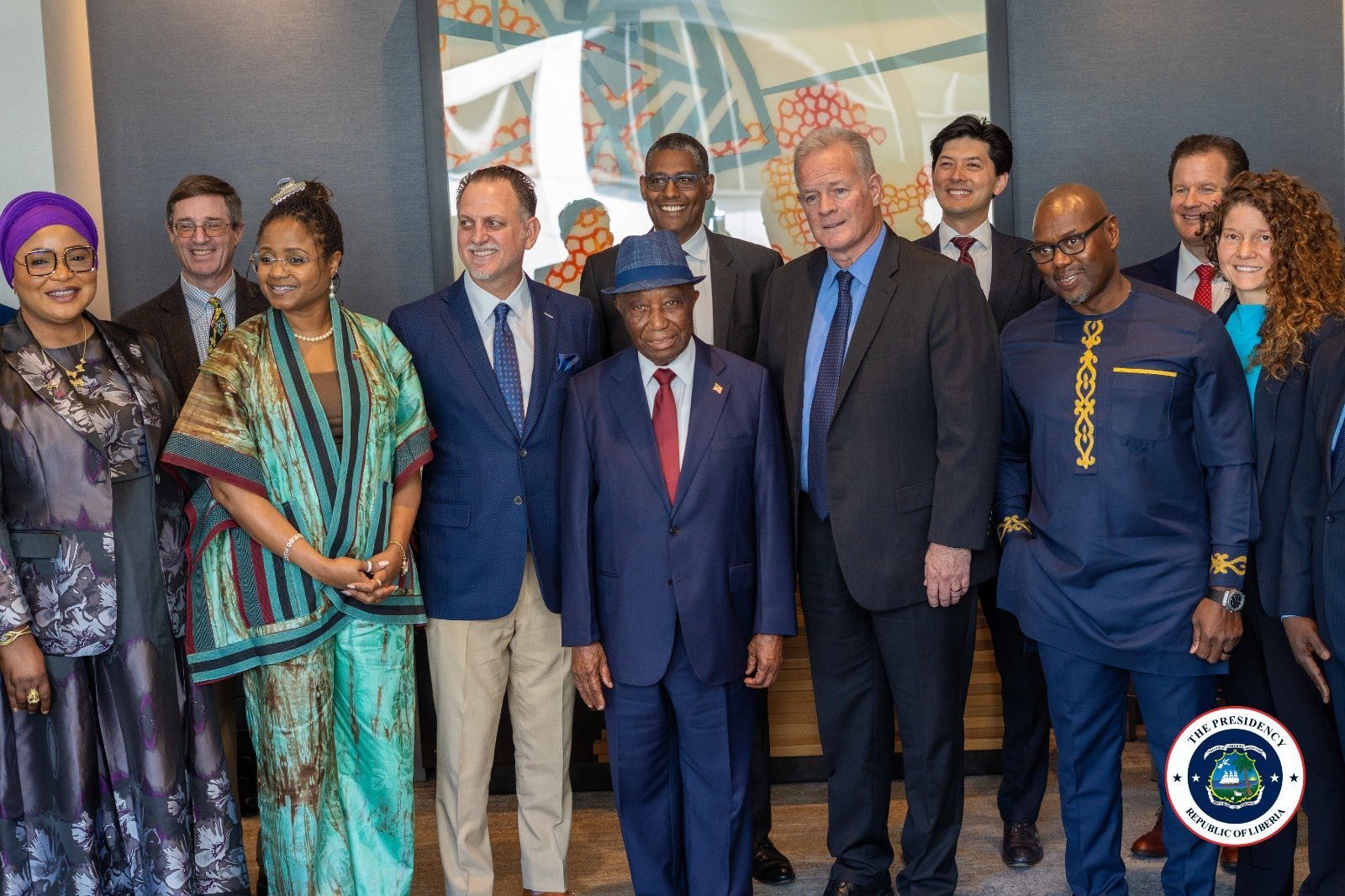
The initiative was unveiled following a multi-stakeholder strategy session held on April 24, 2026, in Sacramento, where both sides agreed on a rapid-action framework designed to shift Liberia from importing approximately 61 percent of its rice to achieving full self-sufficiency, with long-term plans to position the country as a regional exporter.
“This partnership marks a turning point for Liberian agriculture,” a joint communiqué issued at the conclusion of the talks stated. “By combining Liberia’s natural resources and workforce with California’s innovation and investment, we are building a pathway to food security, job creation, and sustainable economic growth.”
Under the agreed framework, pilot projects will initially focus on developing 50,000 hectares of lowland rice fields. The model will integrate smallholder farmers into nucleus estate and out-grower systems designed to improve access to markets, mechanization, financing, and commercial-scale processing.
Key constraints identified in Liberia’s agricultural value chain—including irrigation infrastructure, seed and fertilizer supply, post-harvest losses, and limited access to affordable credit—are expected to be addressed through coordinated investment and technical support.
The University of California system will play a central role in technology transfer and capacity building, providing expertise in irrigation systems, plant breeding, soil health management, and livestock nutrition.
Among the innovations discussed are nitrogen-fixing cereal varieties intended to reduce dependence on imported fertilizers, as well as black soldier fly protein systems to support sustainable animal feed production. Digital agricultural optimization tools are also expected to be deployed to improve productivity and resource efficiency.
California-based stakeholders further pledged to mobilize private-sector investors and agribusiness networks to support Liberia’s agricultural transformation agenda.
As part of the next phase, an international investment forum is scheduled to be held in Liberia in August 2026, in collaboration with the Food and Agriculture Organization (FAO), to present investment opportunities to global partners.
A detailed joint work plan outlining crop priorities, implementation timelines, and partnership structures is expected within two weeks from the California delegation. Technical teams from the University of California are also preparing to deploy to Liberia shortly thereafter to begin pilot implementation.
While rice remains the immediate focus, the initiative will also assess expansion opportunities across cassava, maize, vegetables, coffee, cocoa, livestock, fisheries, and aquaculture, with investments tailored to the comparative agricultural strengths of different regions across Liberia.