

By Emmanuel M. Kangar, Jr.
Liberia — A Liberian agriculturist is drawing national attention for his innovative efforts to promote food self-sufficiency, as the country continues to rely heavily on imported goods despite its fertile soil.
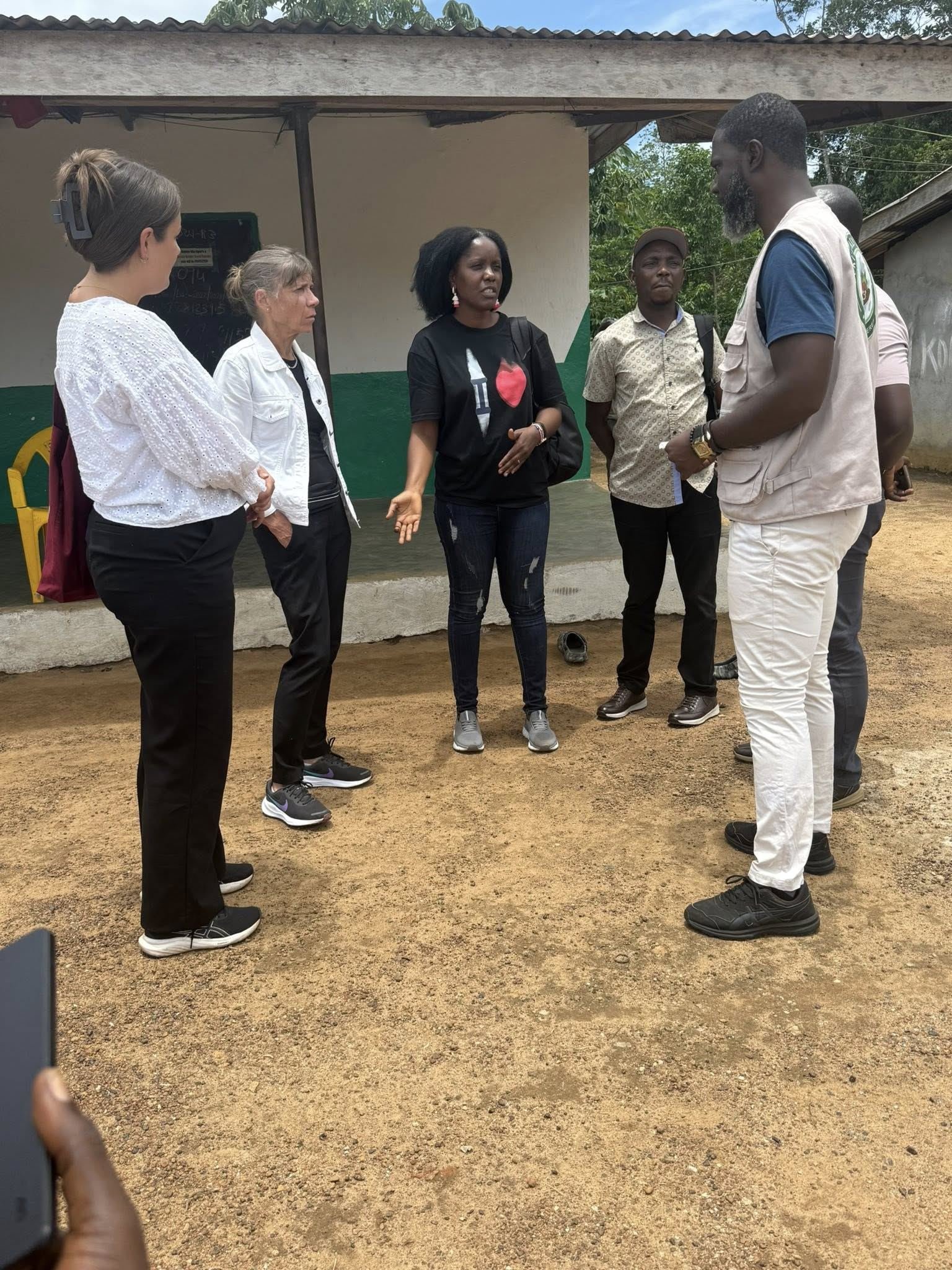
Dukuly Khalil, a rising figure in Liberia’s agriculture sector, recently hosted a high-level delegation from the European Union at her farm. The delegation included ambassadors from Sweden, Germany, France, Ireland, and the European Union to Liberia, underscoring growing international interest in the country’s agricultural potential.
In a statement shared on social media, Khalil described the visit as a significant moment for her work and for Liberia’s farming community.
“Today, we had the honor of hosting the EU delegation on our farm,” she wrote. “Their visit serves as a strong affirmation that agriculture is central to sustainable development, job creation, and economic transformation in Liberia.”
He expressed appreciation for the delegation’s engagement, highlighting the importance of partnerships in strengthening local farming initiatives and empowering young people.
“We are grateful for their time, insights, and ongoing commitment to supporting local farmers and empowering young people. Together, we are sowing the seeds for a stronger, more resilient future for Liberia’s youth,” Khalil added.
Liberia is widely recognized for its rich, arable land and favorable climate, yet the country continues to depend on imported food products — including items that can be readily grown locally.
Agricultural experts have long argued that increased investment and policy support could significantly reduce this dependence.
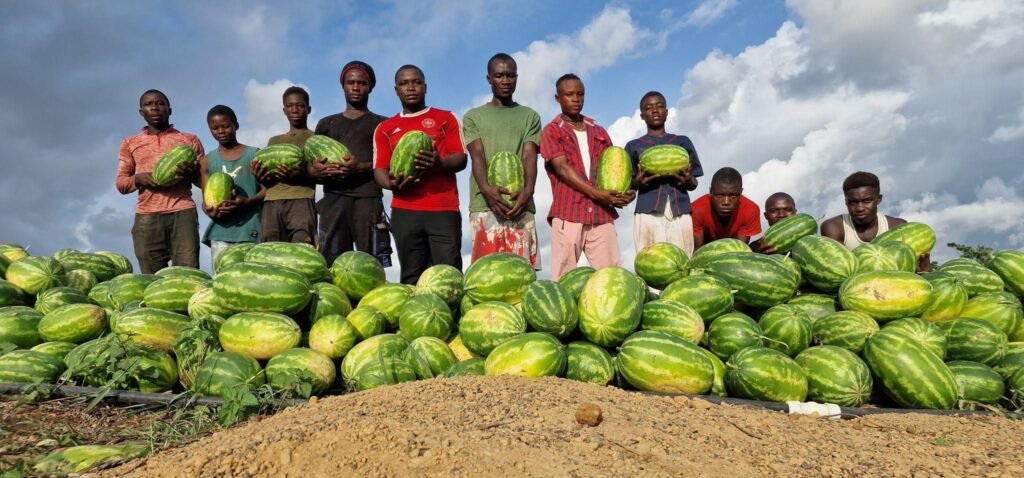
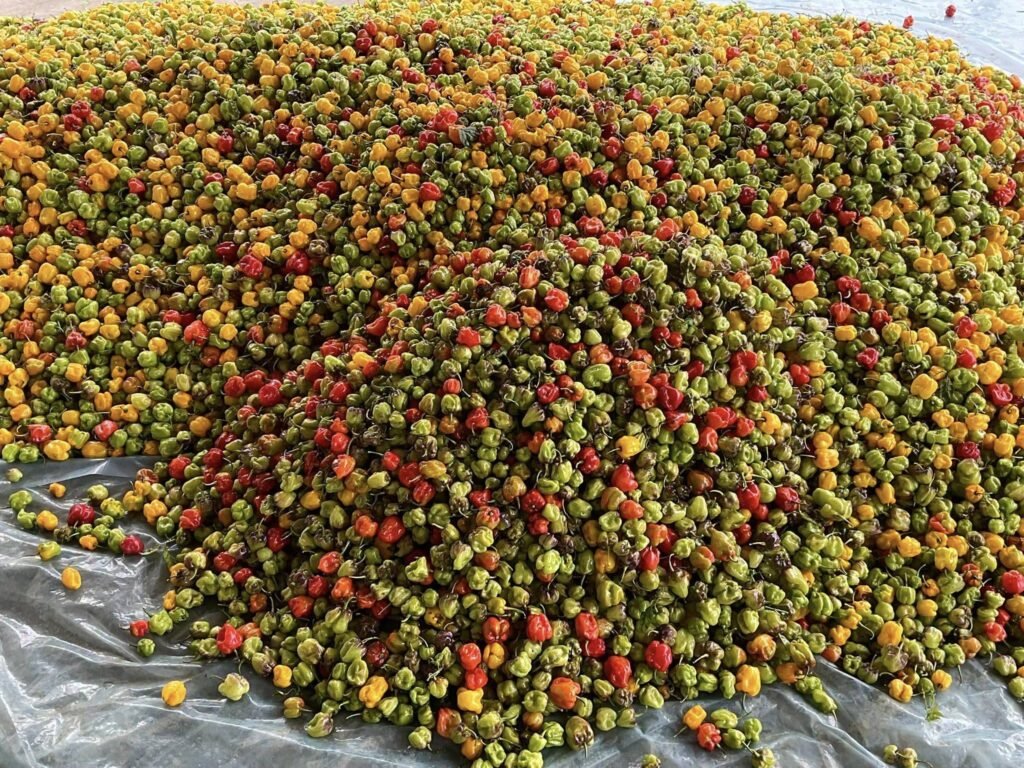
Khalil’s work is seen as a practical demonstration of that potential. Images shared from her farm show large quantities of fresh produce, including watermelons, peppers, and bitterballs, signaling what could be achieved with adequate support.
As momentum builds around agriculture as a driver of economic growth, farmers like Dukuly Khalil are increasingly being viewed as key players and change makers in reshaping Liberia’s future of food security.