
Liberia has maintained democratic stability and achieved another peaceful transfer of power, but corruption, weak institutions, poverty and poor public services continue to undermine the country’s progress, according to the 2026 Bertelsmann Transformation Index (BTI) report.
The report paints a mixed picture of Liberia’s political and economic transformation, describing the country as formally democratic but institutionally fragile, with governance weakened by entrenched corruption, weak rule of law and limited state capacity.
The BTI noted that the 2023 presidential election marked a major democratic milestone as former President George Weah peacefully conceded defeat to President Joseph Nyuma Boakai, who won with 50.64% of the vote.
“The second democratic transfer of power in as many elections earned the country a reputation for respecting democratic norms at a time when several others in the region have experienced backsliding,” the report stated.
However, the report said democratic institutions remain weakened by corruption and elite influence.
“Corrupt interests dominate the political process and siphon off public resources for private use,” the BTI observed, adding that corruption continues to deprive democracy “of its essence.”
The report criticized Liberia’s judiciary as formally independent but heavily constrained by corruption, political interference and delays in the administration of justice. It noted that suspects accused of serious crimes often remain in prison for years without trial, while poor citizens struggle to access legal representation.
On governance, the BTI said Liberia’s political culture remains heavily patrimonial, with public office often viewed as a means for private enrichment rather than public service.
“The state is often viewed as an institution for the private accumulation and distribution of benefits by its officials,” the report said.
The report also highlighted growing frustration among Liberians over corruption and poor living conditions, despite strong public support for democracy. According to Afrobarometer findings cited in the report, more than half of Liberians remain dissatisfied with how democracy functions in practice.
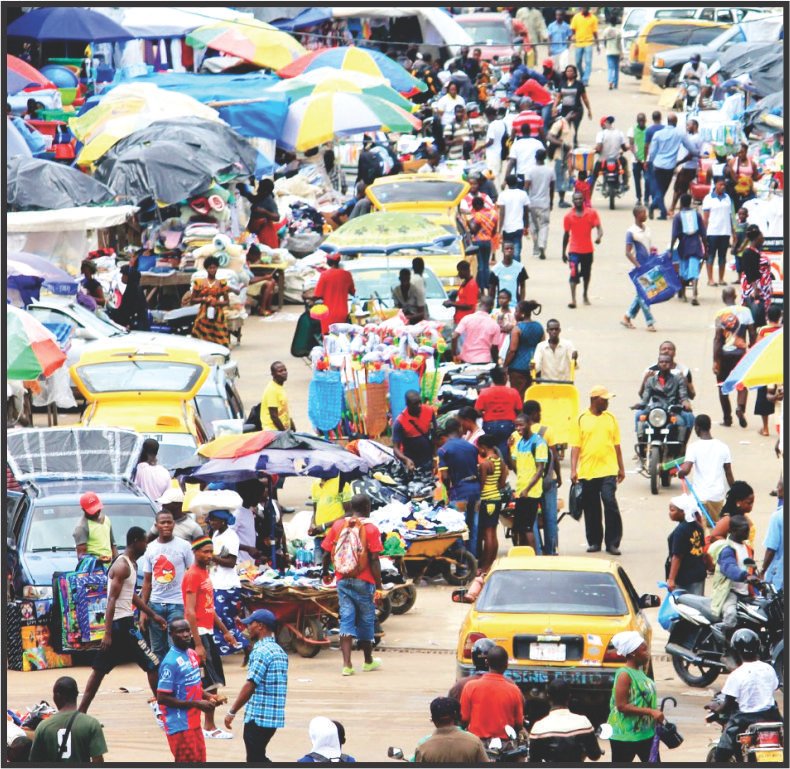
Economically, the BTI described Liberia as one of the world’s poorest countries, ranking 177th out of 193 countries on the Human Development Index. It noted that more than 60% of the population lives below the international poverty line, while about 85% of workers operate in the informal sector.
The report acknowledged modest economic growth driven mainly by mining exports, particularly iron ore and gold, but warned that the economy remains heavily dependent on commodity prices and foreign investment.
The BTI also pointed to severe inequality, poor healthcare, weak education systems and widespread youth unemployment as major structural challenges facing the country.
Although Liberia scored relatively high for maintaining a monopoly on the use of force and conducting credible elections, the report said state institutions remain weak outside Monrovia, with many rural communities relying on traditional systems and non-state actors for dispute resolution and security.
On infrastructure and public services, the report said access to electricity, sanitation, healthcare and quality education remains extremely limited, particularly in rural Liberia.
The BTI nevertheless recognized efforts by the Boakai administration to stabilize the economy and restore donor confidence through its ARREST Agenda for Inclusive Development, which focuses on agriculture, roads, rule of law, education, sanitation and tourism.
The report described the establishment of a War and Economic Crimes Court as the Boakai administration’s flagship initiative, calling it a potentially historic effort to confront Liberia’s civil war legacy more than two decades after the conflict ended.
Still, the report warned that implementation has already become “mired in politicking and wrangling for positions.”
The BTI concluded that Liberia’s biggest obstacles remain structural poverty, weak governance, corruption and limited administrative capacity.
“Long-term goals are often overshadowed by short-term necessities, political bargaining and the pursuit of political office,” the report stated.
Edit and remove all ai languages and humanize it
BTI Report Highlights Liberia’s Democratic Progress, Corruption Challenges
By G. Watson Richards
Liberia has continued to maintain democratic stability with another peaceful transfer of power, but corruption, weak institutions, poverty and poor public services remain major challenges facing the country, according to the 2026 Bertelsmann Transformation Index (BTI) report.
The report described Liberia as a democratic state with fragile institutions, where corruption and weak governance continue to slow national progress.
The BTI praised the 2023 presidential election, in which former President George Weah peacefully conceded defeat to President Joseph Nyuma Boakai after a closely contested runoff election.
According to the report, Liberia’s peaceful transfer of power strengthened the country’s democratic image at a time when several countries in the region are facing political instability and democratic setbacks.
At the same time, the report said corruption remains deeply rooted in public institutions and continues to affect governance, accountability and public trust.
“Corrupt interests dominate the political process and siphon off public resources for private use,” the report stated.
The BTI said Liberia’s judiciary continues to face serious problems, including corruption, political influence and delays in court proceedings. It noted that many suspects accused of serious crimes spend years in prison without trial, while ordinary Liberians often struggle to afford legal services.
The report also described Liberia’s political culture as heavily influenced by patronage, where public offices are often seen as opportunities for personal gain instead of public service.
Public frustration over corruption and poor living conditions remains high, despite strong support for democracy among Liberians, the report added.
Economically, the BTI ranked Liberia among the world’s poorest countries, pointing to widespread poverty, youth unemployment and dependence on the informal sector. The report noted that more than 60 percent of Liberians live below the international poverty line.
The report acknowledged recent economic growth driven mainly by mining activities, particularly iron ore and gold exports, but warned that the economy remains vulnerable because it depends heavily on commodity prices and foreign investment.
The BTI also highlighted serious challenges in healthcare, education, electricity, sanitation and road infrastructure, especially in rural communities where government services remain limited.
While the report credited the Boakai administration for efforts to stabilize the economy and rebuild donor confidence through its ARREST Agenda for Inclusive Development, it said implementation remains slow.
The report described the planned War and Economic Crimes Court as one of the government’s major initiatives aimed at addressing Liberia’s civil war legacy and long-standing calls for justice.
However, it warned that political disagreements and competition for positions have already slowed progress toward establishing the court.
The BTI concluded that Liberia’s biggest challenges remain corruption, weak state institutions, poverty and limited administrative capacity.
“Long-term goals are often overshadowed by short-term necessities, political bargaining and the pursuit of political office,” the report stated.