

Nearly 400 tax officials and other professionals from 16 countries gathered on Thursday, August 6, as the West African Tax Administration Forum (WATAF) stepped up efforts to improve Value Added Tax (VAT) collection through digital technology.
The regional workshop brought together tax administrators, government officials, auditors, compliance officers, customs personnel, legal and tax policy experts, information technology specialists and taxpayer service officials.
Participants from 12 West African countries made up more than 96 percent of the attendance, underscoring the importance of the meeting to the region’s tax authorities. Four countries from outside West Africa also participated as technical experts and observers.
The workshop was held under the theme, “Strengthening VAT Management in West Africa: Leveraging Digital Innovation for Sustainable Domestic Revenue Mobilisation.”
The meeting focused on some of the major difficulties facing tax administrations, including the large informal economy, cross-border transactions, weak compliance and the rapid growth of digital businesses.
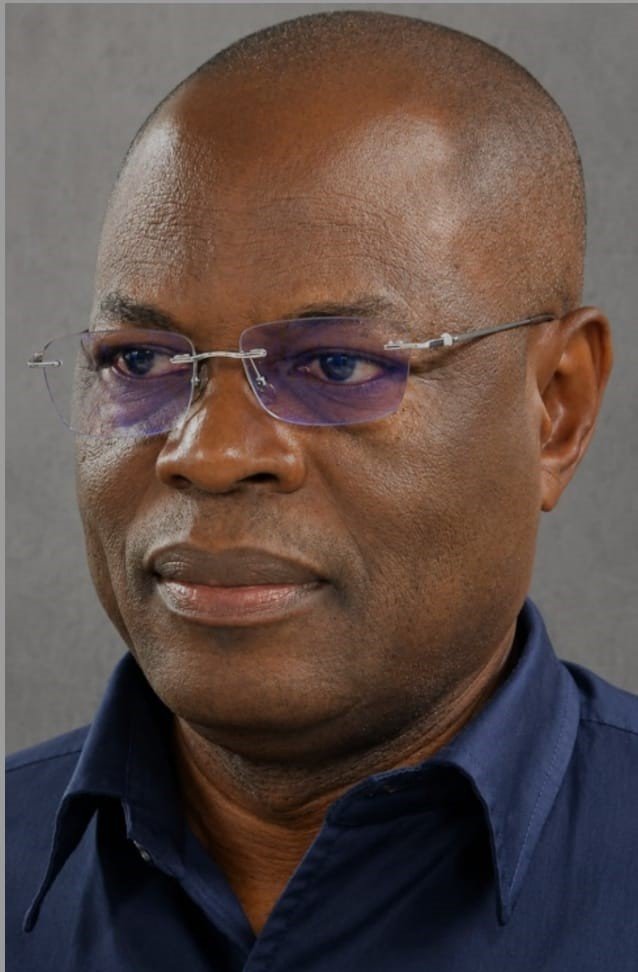
Opening the workshop, WATAF Executive Secretary Jules Tapsoba said improving VAT administration remains critical to helping West African governments raise the domestic resources needed to finance development.
“VAT management is essential to revenue mobilisation in West Africa,” Tapsoba said, stressing the need for tax and customs authorities to keep pace with changes in the economy and strengthen their ability to respond to emerging challenges.
He said WATAF would continue supporting member countries through training, technical assistance and the sharing of experiences among tax administrations.
WATAF Training and Capacity Development Manager Usman Ibrahim said tax reform should not be viewed simply as an effort to collect more money from taxpayers.
“The future of VAT is not only about collecting more taxes; it is about building systems that can see more, understand better and respond more intelligently to economic activity,” Ibrahim said.
He pointed to digital technology as an important tool for improving the entire VAT process, from taxpayer registration and invoicing to filing, payment, auditing, refunds and monitoring compliance.
Participants discussed the use of electronic filing, electronic payments and e-invoicing, as well as real-time reporting, digital payment records, data analysis and invoice verification.
The meeting also examined ways of bringing more businesses into the formal economy and improving taxpayer education.
Representing the African Tax Administration Forum (ATAF), Emeka Nwanko said VAT contributes about 30 percent of total tax revenue in West Africa but continues to fall short of its potential.
He attributed some of the challenges to the size of the informal economy, low taxpayer registration, weak compliance and the rapid changes taking place in the digital economy.
Nwanko said the informal sector represents about 40 percent of the region’s gross domestic product and employs roughly 83 percent of Africa’s workforce. Many businesses operating in the sector rely on cash and have limited financial records, making it difficult for tax authorities to bring them into the formal tax system.
He argued that stronger VAT performance would require more than enforcement.
According to Nwanko, tax authorities need to expand taxpayer registration along the supply chain, make greater use of technology, develop better ways of taxing digital businesses and improve communication with taxpayers.
Tax officials from participating countries also shared their experiences with VAT automation, compliance programmes and institutional reforms, providing examples that could be adapted to other national settings.
Benin recorded the largest number of participants, with 193, followed by Nigeria with 104. Liberia had 28 participants, while Burkina Faso recorded 23.
Other countries represented included Cabo Verde, Canada, Côte d’Ivoire, Ghana, Guinea, Guinea-Bissau, Namibia, Portugal, Senegal, Sierra Leone, South Africa and Togo.
More than 80 percent of those attending were directly involved in tax and revenue administration, management, auditing, compliance, tax policy, reform, taxpayer services, or customs and excise.
The workshop received technical contributions from Oluwole Oni of the Nigeria Revenue Service, WATAF Executive Secretary Jules Tapsoba, ATAF representative Emeka Nwanko, and digital solutions specialists from AFRITAX/BYC and Yaaba.
For WATAF, the level of participation reflects growing interest among West African countries in using technology to address longstanding weaknesses in tax collection and administration.
The forum says the workshop is part of its wider effort to strengthen the skills and institutions of tax administrations, improve cooperation among member states and help countries raise more domestic revenue to support development.