


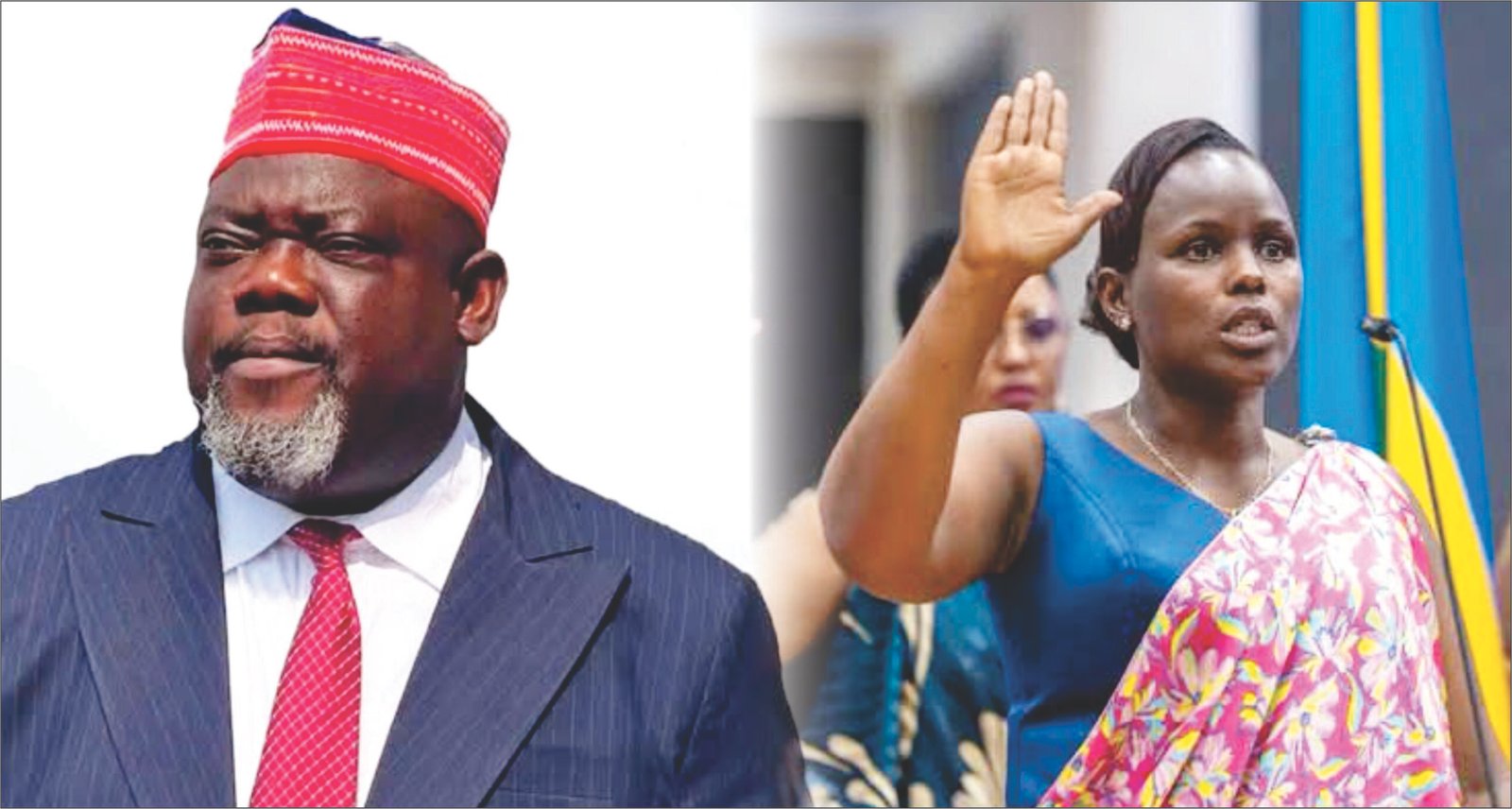
There was civil war in Liberia, and an estimated 250,000 Liberians died. But there was also civil war in Rwanda, too, and an estimated 800,000 Rwandans died.
The post-conflict salaries of the two deputy speakers from Liberia and Rwanda tell a whole different story about the priorities of both countries:
1) Deputy Speaker Thomas Fallah (Liberia):
Salary per month: 70% in USD: US$8,473.23 and 30% in LRD: L$647,512.48
Total in USD per month: US$12,259.62
2) Deputy Speaker Beline Uwineza (Rwanda):
Salary per month: 100% in Rwandan Francs: Rwf 2,434,613
Total in USD: US$1,653
Summary: Every month, Fallah of Liberia is earning 641.66% more than Uwineza of Rwanda in just salary alone. This means that Fallah is earning US$10,606.62 more than Uwineza per month. Here’s a simple way to explain it: It will take Deputy Speaker Uwineza of Rwanda more than 7 months before she can earn what Deputy Speaker Thomas Fallah of Liberia earns in one month.
Meanwhile, Rwanda is far more expensive than Liberia in terms of cost of living (head-to-head comparison). But lawmakers in Liberia earn far more. Furthermore, Rwanda has a bigger national budget than Liberia. The 2026 budget of Rwanda is Frw 7,796.3 billion (US$5.2 billion), while Liberia has US$1.2 billion. But lawmakers in Rwanda earns far less than lawmakers in Liberia.
Are you still wondering why Kigali retained its position as Africa’s cleanest city in the latest 2025/2026 ranking, whereas Monrovia could not even come close to the 30th place?
What extra work has Fallah done or is doing to make Liberia a better and prosperous nation than Rwanda that justifies us paying him 642% more than Uwineza of Rwanda?
Liberia’s problem is not resources. The country has enough resources to develop and invest in the people. The country is underpopulated; the resources are far more than the people. Liberia’s real problem is public waste, fiscal indiscipline, greed, and corruption. More money continues to flow in the pockets of a few political elites while little or nothing goes to what should be nationally prioritized. Rwanda is prioritizing the major while Liberia is prioritizing the minor. It’s time for Liberia to prioritize the major instead of the minor.
The national budget in Liberia prioritizes the political elites far more than it prioritizes the Liberian PEOPLE who should actually matter.
The “We Are Just from War” chorus or cliché has to end now! Enough of it, especially after 23 years of peace!
As though the US$12,259.62 per month is not already enough for one person, Fallah also receives huge benefits including tens of thousands in allowances for car, constituency visit, scratch card, fuel for vehicles, fuel for generator, furniture, foreign travel, domestic travel, sitting fee, scholarship, maintenance, courier, DSA, yard boy, cook, etc. Why all this waste just on one person amid unemployment and poverty across Liberia? Is Liberia prioritizing its major? Public waste is not only happening in the Legislature. It’s also happening across the Executive and the Judiciary.
Recommendation: Cut down on public waste. No official of government should earn more than US$5,000 per month in both salary and benefits. We are not just saying “salary” alone. We are saying both “salary” and “benefits” should not cross US$5,000. More money needs to flow out of the pockets of a few politicians in to the pockets of the PEOPLE and into national development projects. Civil servants, including teachers, health workers, security personnel, etc., are still earning US$150 or less.
Take a keen look at what Fallah gets in salary and what they get. Doesn’t such an income disparity scare y’all (US$12,109 disparity)? It will take civil servants 6 years and 10 months before they can earn what Fallah is getting only as salary in one month. Meanwhile, Fallah still gets huge benefits on top of it while civil servants have no benefits. This is a reflection of economic violence and injustice. Raise them (all civil servants) up to at least US$500 per month.
Reflection: Why Liberia had to even fight a civil war? It was both senseless and needless.
The suffering in Liberia is artificial; it is man-made. The suffering in Liberia is neither spiritual nor natural. Liberia has enough for everybody to live a better life, but a few continues to deprive and suppress the majority.
This is a developing guest editorial.
About The Author: Martin K. N. Kollie is a Liberian activist in exile and a former student leader in Liberia.