
By Archie Boan
Monrovia, Liberia — Liberia’s efforts to promote transparency in its oil, gas, and mining sectors have come under close international scrutiny as the Extractive Industries Transparency Initiative (EITI) wrapped up a week-long validation mission in the country.
The international assessment team, hosted by the Liberia Extractive Industries Transparency Initiative (LEITI), reviewed the nation’s progress in implementing global standards for transparency and accountability. While the team recognized several positive reforms, they stressed that key challenges remain to fully align Liberia with EITI requirements.
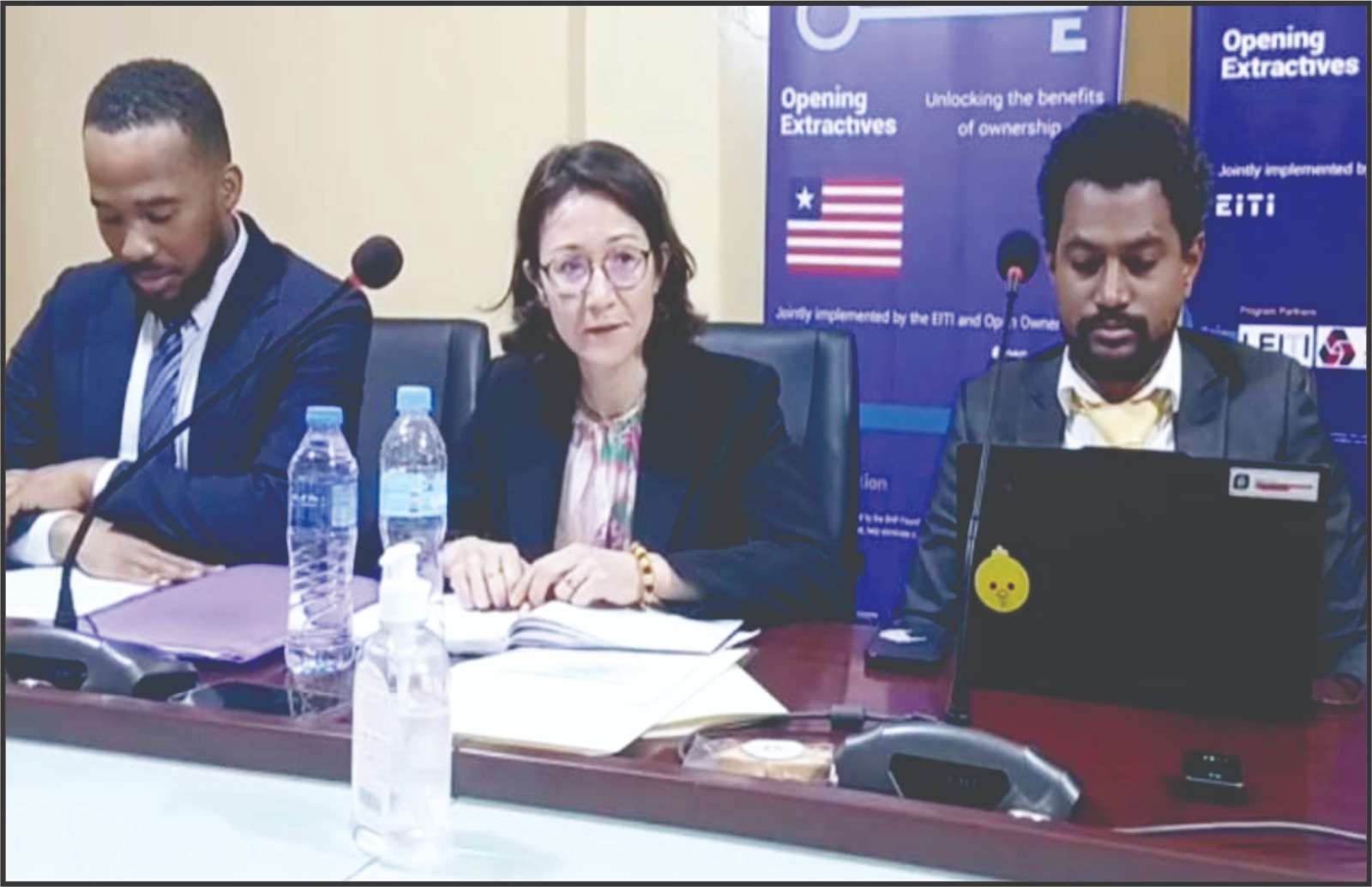
Dr. Saipira Furstenberg, Validation Advisor at the EITI International Secretariat, explained that the mission’s purpose is to evaluate Liberia’s adherence to the EITI standard and provide recommendations for further improvements.
“Validation allows us to see what is working well, where gaps exist, and how the International Secretariat can support Liberia in strengthening governance of its extractive sector,” Furstenberg said during a press briefing in Monrovia.
The mission included meetings with more than 20 institutions, ranging from government ministries such as the Ministry of Mines and Energy and the Ministry of Finance, to private sector players and civil society organizations monitoring community impacts of extractive activities.
The team noted that Liberia has achieved tangible progress in contract transparency. LEITI’s creation of a simplified contract matrix has helped citizens and communities understand the obligations of companies operating in the extractive sector.
“There is a clear effort to make data more comprehensive and accessible,” Furstenberg said, “which empowers citizens to hold both the government and private companies accountable.”
However, several areas still require attention. Williams Enenche Noah, Anglophone Africa Officer at EITI, cited incomplete disclosure of beneficial ownership information, despite recent regulations requiring companies to reveal their true owners. Additionally, delays in auditing financial statements for state-owned enterprises, particularly the National Oil Company of Liberia (NOCAL), remain a concern.
Despite these challenges, the validation team acknowledged Liberia’s resilience in advancing transparency reforms despite historical setbacks, including civil conflict and public health crises such as Ebola and COVID-19.
Senior Policy Officer Khamal Clayton also praised Liberia’s efforts to monitor the implementation of agreements in mining communities, not just publish contracts. “This demonstrates a commitment to ensuring companies meet their obligations on the ground,” he said.
The team further recognized ongoing efforts to digitalize revenue systems in the extractive sector, a step aimed at reducing corruption and improving public access to financial data.
EITI officials emphasized that strong transparency practices are critical for attracting foreign investment, noting growing interest from companies in the United States and China seeking stable and transparent environments for operations.
“The main takeaway from our mission is that Liberia is moving forward,” Furstenberg concluded. “The country has made meaningful progress in a challenging environment, and sustaining reforms will be key to improving governance of natural resources.”