
Monrovia, Liberia — Liberia’s battle against transnational drug trafficking has produced some of the largest cocaine seizures in West African history. Yet behind the headlines announcing record-breaking narcotics busts lies a deeper crisis—one marked by weak prosecutions, allegations of official complicity, fear among whistleblowers, and a justice system that many citizens believe has failed to hold powerful actors accountable.
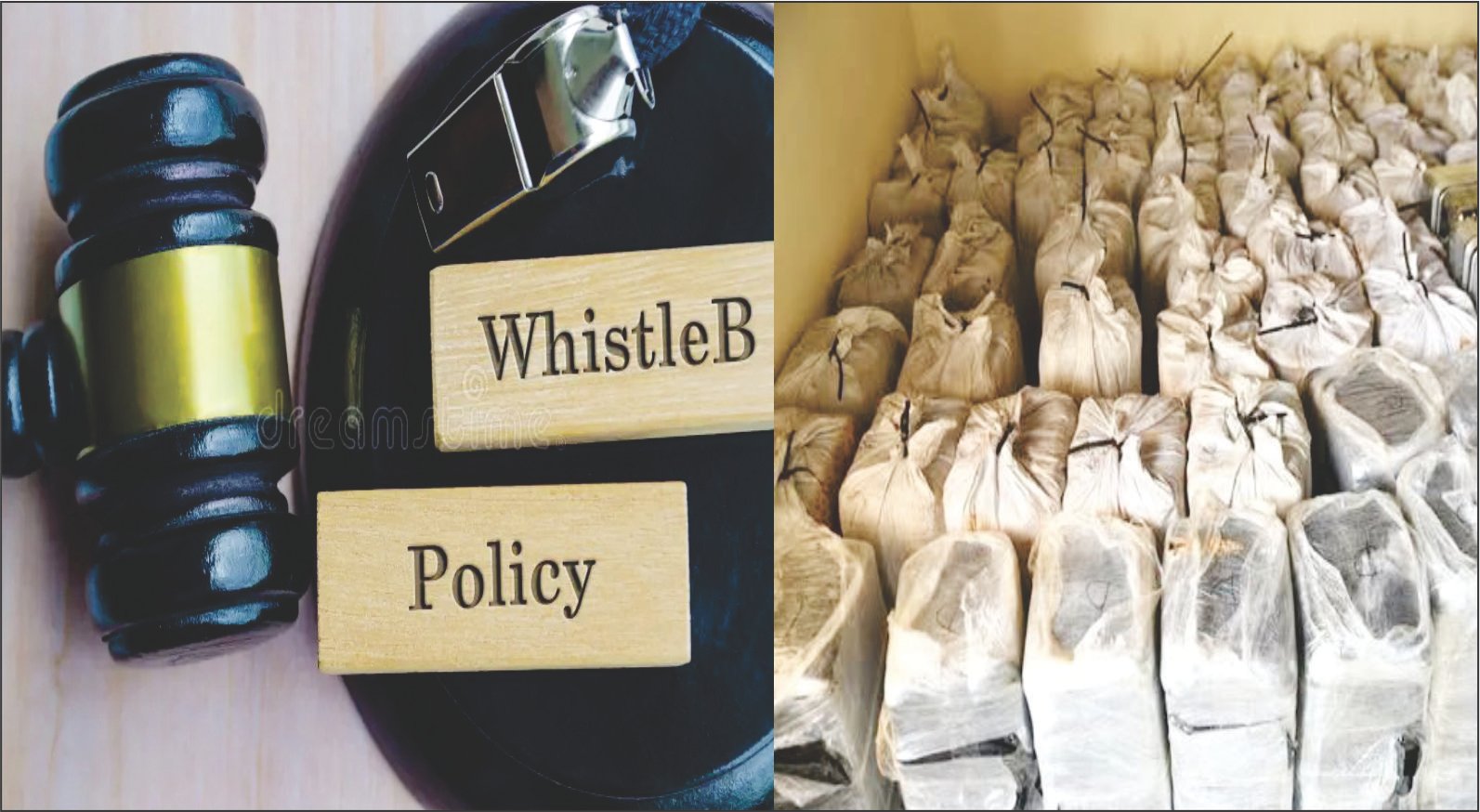
Over the past several years, Liberia has increasingly emerged as a transit point for international cocaine trafficking networks operating between Latin America and Europe. In response, authorities have intercepted massive shipments worth hundreds of millions of dollars, drawing international attention to the country’s role in the global drug trade.
One of the most notable cases occurred in 2022, when authorities seized approximately 520 kilograms of cocaine concealed in a shipping container at the Freeport of Monrovia. Valued at nearly US$100 million, it was one of the country’s largest drug seizures. Yet public confidence in the justice system suffered when four defendants were ultimately acquitted, raising questions about whether Liberia’s institutions are capable of successfully prosecuting complex narcotics cases involving organized criminal networks.
In another major operation, authorities intercepted nearly four metric tons of cocaine, prompting investigations that led President Joseph Boakai to dismiss or suspend several senior security officials alleged to have facilitated drug trafficking activities. While the disciplinary measures were welcomed by many observers, critics argue that dismissals alone do not constitute justice. They contend that true accountability requires thorough investigations, independent prosecutions, and convictions supported by credible evidence.
For many Liberians, these cases reflect a recurring pattern: spectacular drug seizures followed by arrests, public announcements, and institutional shake-ups—but relatively few successful prosecutions against those believed to occupy the highest levels of criminal networks.
The concern extends beyond drug enforcement.
Liberia has enacted laws criminalizing narcotics trafficking, established anti-corruption institutions, and adopted legislation intended to protect whistleblowers who report wrongdoing. On paper, these measures suggest a legal framework committed to transparency and accountability.
In practice, however, governance experts, anti-corruption advocates, and civil society organizations argue that enforcement has remained inconsistent. Laws exist, they say, but implementation is often weak, selective, or ineffective. As a result, many citizens view these legal protections as largely symbolic rather than reliable safeguards.
Nowhere is this perceived gap more evident than in the protection of whistleblowers.
Individuals who expose corruption, organized crime, or misconduct frequently describe living under constant fear of retaliation. Human rights organizations and journalists have documented concerns that whistleblowers may face intimidation, harassment, loss of employment, surveillance, or threats to their personal safety. Many choose silence rather than risk becoming targets.
Some who report sensitive information are said to have fled Liberia, believing exile offered greater protection than remaining at home. Human rights advocates have also pointed to allegations that certain whistleblowers, journalists, and government critics have been attacked or killed after exposing corruption or powerful interests. While responsibility for many of these incidents remains disputed or unresolved, advocates argue that the absence of prompt, independent investigations contributes to a climate of fear and discourages others from coming forward.
Adding to these concerns are longstanding allegations from opposition figures, investigative journalists, and civil society activists that politically connected criminal groups—including armed gangs or former combatants—have at times been used to intimidate critics, journalists, and individuals exposing corruption. These allegations have circulated for years but have not been conclusively established in court. Their persistence nevertheless reflects broader public concerns about the intersection of political power, organized crime, and impunity.
The consequences reach far beyond individual whistleblowers.
Successful prosecutions of organized drug trafficking networks often depend on insiders willing to provide information about financing, logistics, official protection, and cross-border operations. Without effective witness security and whistleblower protection, investigators lose access to some of the most valuable evidence available, allowing sophisticated criminal organizations to adapt and survive.
Anti-corruption specialists argue that dismantling transnational trafficking networks requires more than intercepting shipments at ports or making arrests after the fact. It requires protecting those who expose criminal enterprises from retaliation and ensuring that investigations reach every level of responsibility, regardless of political influence or institutional rank.
Liberia’s recent drug seizures demonstrate that law enforcement agencies are capable of intercepting major narcotics shipments. Whether those successes translate into lasting progress will depend not only on the quantity of drugs seized, but also on the willingness of institutions to investigate allegations impartially, prosecute those responsible wherever the evidence leads, and protect the citizens whose courage makes those investigations possible.
Until whistleblowers can report corruption without fearing intimidation, exile, or violence, and until major drug trafficking cases consistently end in transparent judicial outcomes rather than lingering public doubts, many Liberians will continue to question whether the country’s anti-corruption and anti-narcotics laws are being fully enforced—or merely remaining words on paper.