


Concerns are growing among journalists working outside Liberia’s capital over what county-based media practitioners describe as inadequate representation in major national media engagements, including Presidential Dinner with the media under the Boakai-Koon Administration.
Liberia has 15 counties, each with journalists, media institutions and members of the Press Union of Liberia – PUL who continue to report from communities far beyond Monrovia.
However, concerns have emerged following reports that county-based journalists were not adequately represented during two separate Presidential media dinner engagements.
The situation has triggered a broader national conversation within the media community.
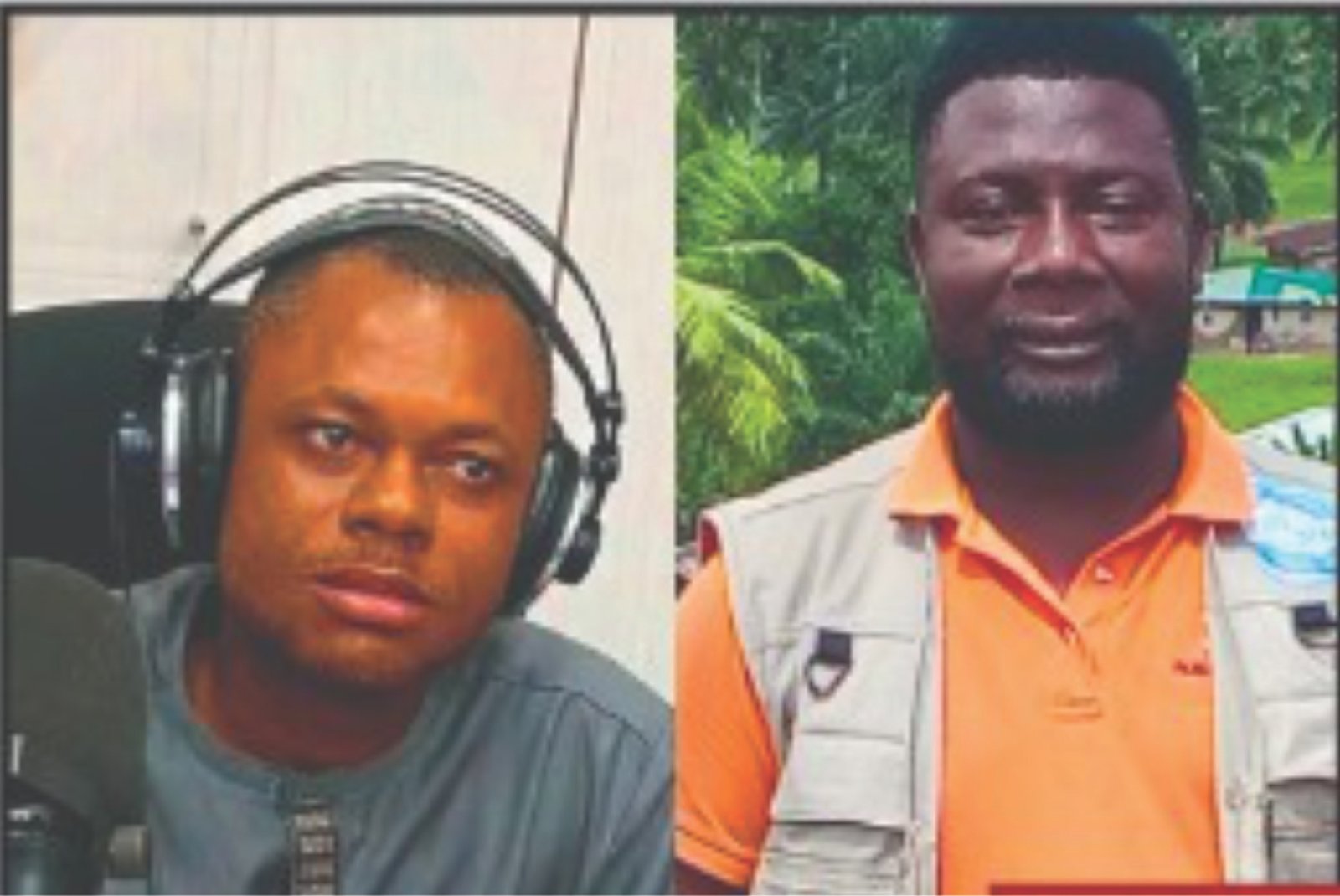
Among those raising concerns is Ben TC Brooks, General Manager, for Voice of RiverGee FM 91.1MHz based in Fish-Town, River Gee County, said Liblkneria’s media landscape must reflect the entire country rather than being concentrated primarily in the capital.
“Not every journalist will, and not every journalist needs to be based in the capital.”
Brooks argued that many journalists have deliberately chosen to work in Liberia’s counties, where they report directly from towns, villages and rural communities and document the everyday realities of ordinary Liberians.
He said county-based journalists frequently serve as the eyes, ears and voices of their communities, often reporting from locations where national media outlets may have limited or no permanent presence.
According to Brooks, county journalists are usually on the ground when roads become impassable, health facilities face serious challenges, schools struggle with inadequate resources, communities demand development, local authorities face public scrutiny and citizens seek answers from government officials.
“These journalists are not simply correspondents operating outside Monrovia,” Brooks emphasized. “They are an important part of Liberia’s national information system.”
Meanwhile, ELBC former correspondent in Grand Kru County, Emmanuel Koffa, has also questioned what he described as the inadequate representation of rural journalists at Presidential media engagements.
“We are not your content-producing slaves!” Koffa declared, expressing frustration over what he views as a disconnect between the contributions of county journalists and the recognition they receive during major national media engagements.
He questioned whether journalists based in Monrovia are receiving greater recognition and opportunities than colleagues who continue to work under difficult conditions in rural Liberia.
According to Koffa, county journalists are often among the first media professionals to identify and report problems involving roads, healthcare, education, local governance, development projects and other issues directly affecting citizens.
He is therefore calling for greater inclusion of county journalists in national media engagements, policy conversations and other platforms where the future of Liberia’s media sector is discussed.
Dertin Dorley of Margibi County also weighed in on the Presidential media dinner debate, using strong language to describe what he perceives as an imbalance in media recognition.
“The oppressors are seated, while the oppressed are standing and holding cameras over them.”
Dorley further argued that media dinners and similar engagements should recognize journalists who frequently work under difficult conditions and, in many cases, receive limited financial compensation for their professional services.
His comments have added another dimension to the growing discussion about fairness, recognition, professional dignity and representation within Liberia’s media industry.
The concerns being raised by county-based journalists represent a call for inclusion, balance and broader national representation.
However, Monrovia remains an important center of Liberia’s media industry, but the country’s media landscape extends far beyond the capital.
From River Gee to Grand Kru, Maryland to Sinoe, Grand Gedeh to Nimba, Bong to Lofa and across Liberia’s other counties, journalists continue to gather information, verify facts and tell stories that might otherwise never reach the national audience.
If the government wants credible and comprehensive information about the conditions facing Liberians, county-based journalists must be considered an essential part of that information network.
The controversy also raises questions about the responsibility of the Press Union of Liberia to ensure that journalists across the country are fairly represented in important national media engagements.
Liberia’s media engagements should reflect the country’s geographical diversity by including journalists from all 15 counties, not only those based in Monrovia, especially those reporting from communities where national attention is often limited.