


By G. Watson Richards
A group of chimpanzees once subjected to years of laboratory experimentation is now living out their lives in relative peace on remote islands in Liberia, thanks to a long-term sanctuary effort dedicated to their care and rehabilitation.
Their journey from invasive research environments to a protected natural habitat highlights both the consequences of animal testing and the possibilities for compassionate intervention.
Located on a cluster of estuaries islands near Monrovia, the Second Chance Chimpanzee Refuge has become a permanent home for dozens of chimpanzees formerly used in medical experiments.
Many of these animals were either captured from the wild or bred in captivity before being exposed to extensive testing, including procedures related to hepatitis research.
According to Kitty Block, author of the original account, the chimpanzees “endured decades of invasive experiments,” including repeated anesthesia and hundreds of liver biopsies.
These procedures left lasting physical and psychological effects, some of which the animals continue to experience today.
The chimps were first relocated to the islands in 2006 after the research program came to an end.
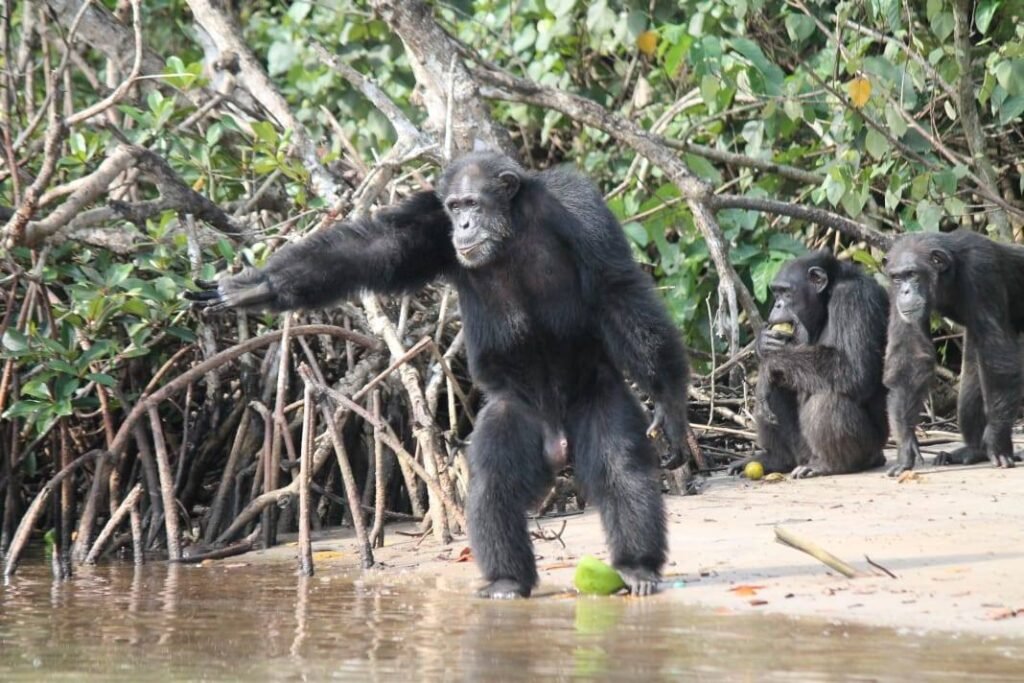
Initially, basic care such as food and water was provided by former staff. However, the responsibility for their long-term welfare became uncertain when the program officially shut down operations in Liberia in 2015.
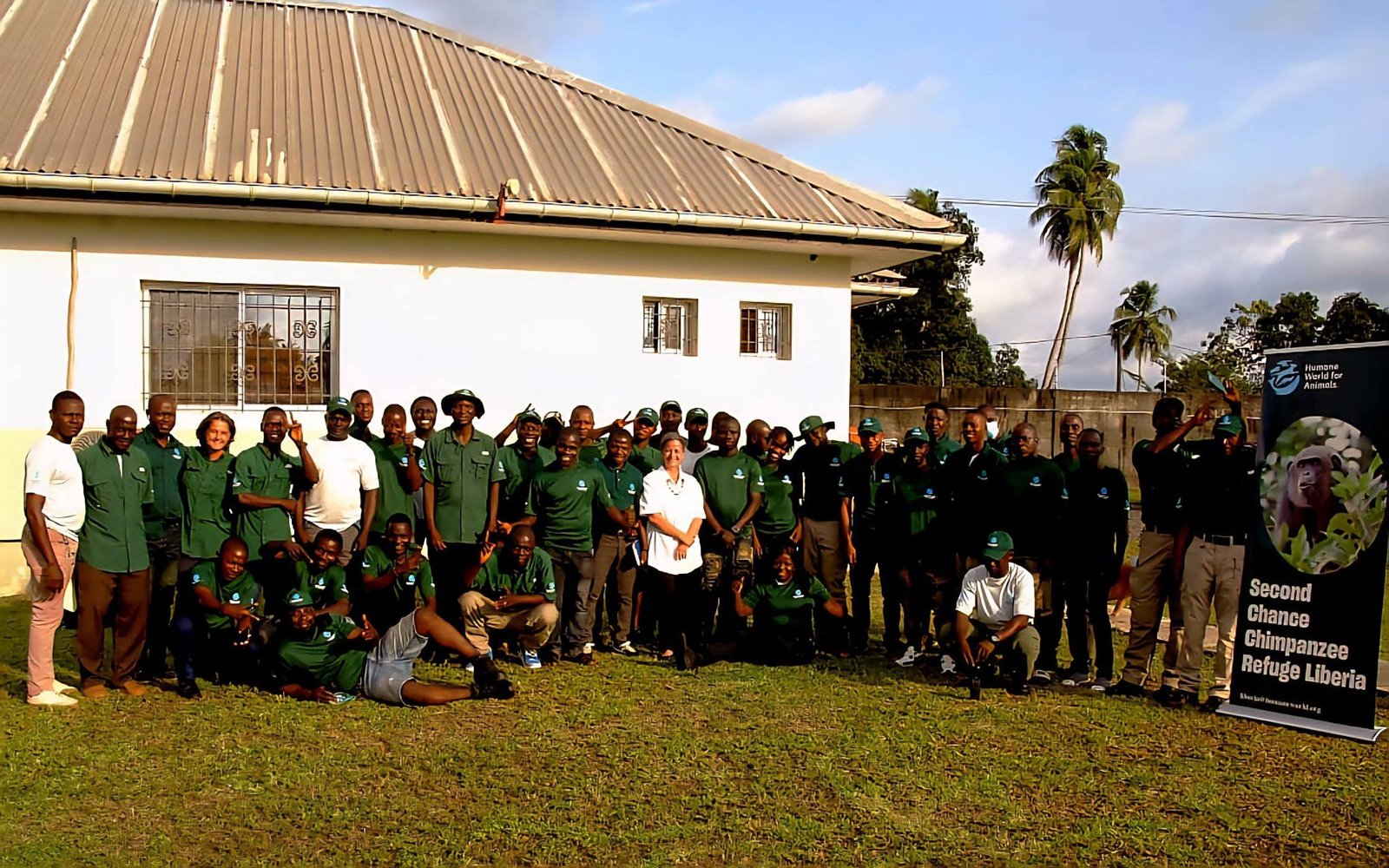
At that point, an animal welfare organization stepped in, committing to provide lifetime care for the chimpanzees.
Since then, trained caregivers have maintained a daily routine that includes delivering fresh fruits and vegetables, administering medications, and monitoring the animals’ health and behavior.
Despite their difficult pasts, the chimpanzees are now able to engage in more natural behaviors. They build nests, forage, groom one another, and form complex social bonds within their groups.
According to Block, these activities are essential to their recovery and overall well-being.
She noted that the sanctuary provides more than physical safety.
“It allows the chimps to express their personalities, form bonds, and enjoy a peaceful environment,” she writes, emphasizing the emotional and social dimensions of their rehabilitation.
Caring for an aging population of chimpanzees presents unique challenges. Many of the animals suffer from chronic health conditions linked to their years in research.
To address this, the sanctuary is developing on-site veterinary facilities that will enable medical treatment without removing the animals from their island homes.
These improvements aim to minimize stress while ensuring timely and effective care, particularly as some chimpanzees enter advanced age.
With lifespans that can reach into their 60s, the sanctuary is preparing for decades of continued responsibility.
Beyond the immediate care of these animals, the story carries broader implications. Block stresses the importance of transitioning away from animal experimentation, advocating for modern scientific methods that do not rely on animal suffering.
“This is how we will achieve the more humane world we imagine,” she writes, calling for global support in ending harmful research practices and promoting alternatives that benefit both human health and animal welfare.