
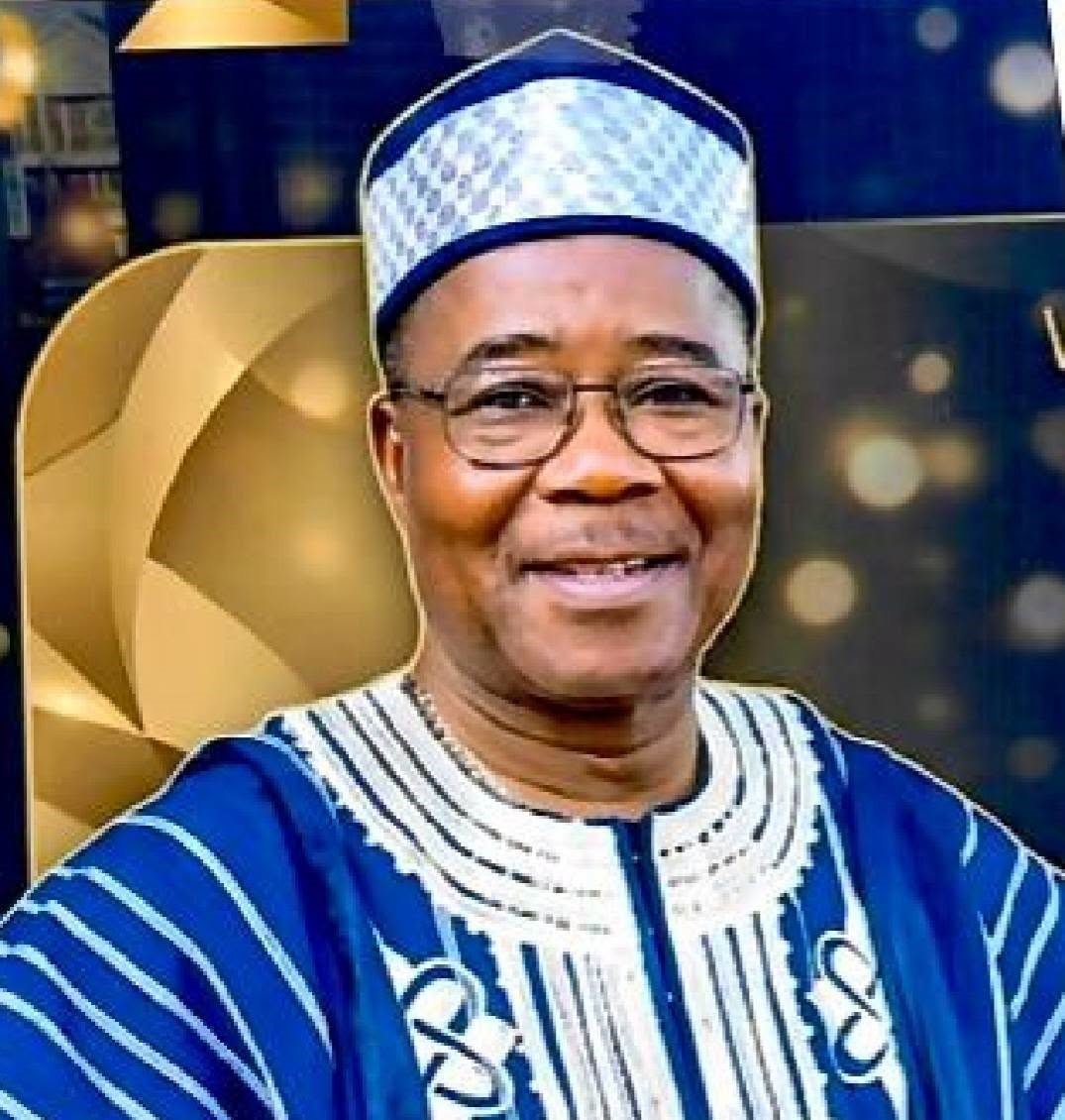
Former President of the Grand Gedeh Association in the Washington, D.C. , Henry K. Glay, has questioned whether Liberia’s ongoing US$19 million drug trafficking case will result in the prosecution of those who allegedly financed and organized the operation, or whether only lower-level suspects will ultimately be held accountable.
In an opinion article titled “Liberia Engulfed by a Culture of Self-Entitlement and Privilege: A Direct Threat to the Rule of Law,” Glay argued that the country is increasingly being undermined by what he described as a culture of self-entitlement and privilege that shields influential individuals from justice.
According to Glay, Liberia’s justice system has developed a pattern of selective law enforcement in which ordinary citizens face the full weight of the law while politically connected and influential individuals often evade accountability.
He said the country’s recent high-profile drug cases including the seizure of 236.6 kilograms of cocaine at Roberts International Airport on June 8 and the ongoing US$19 million drug trafficking investigation have become critical tests of Liberia’s commitment to the rule of law.
“The recent seizure of 236.6 kilograms of cocaine at RIA on June 8 is a test,” Glay wrote. “Will the financiers and organizers face the law, or will we again see low-level messengers take the fall while the real ‘big men’ remain untouchable? The US$19 million case is another test. The world is watching.”
Glay warned that unequal application of the law erodes public confidence in state institutions, discourages investment, and creates conditions that could threaten national stability.
“When citizens see that justice depends on who you know, they lose faith in the police, the courts, and the government itself,” he wrote, adding that selective justice undermines confidence in democratic institutions.
As part of his recommendations, Glay called on the Ministry of Justice and the Liberia National Police to investigate and prosecute criminal cases “without fear or favor,” urging authorities to resist political interference and ensure that all suspects are treated equally under the law.
He also appealed to citizens to reject the culture of impunity by demanding accountability from public officials and supporting stronger protections for whistleblowers who expose corruption and organized crime.
Glay concluded that Liberia’s future depends on the consistent and impartial enforcement of its laws, arguing that the nation cannot claim to uphold the rule of law while allowing privilege and influence to determine who is prosecuted.
“The law must see no class. The law must see no tribe. The law must see no last name,” he wrote. “Until it does, Liberia will remain at a crossroads.”