

The Women NGOs Secretariat of Liberia (WONGOSOL) has welcomed President Joseph Nyuma Boakai’s address to the 81st Session of the United Nations General Assembly but says his speech should have given greater attention to transitional justice and the role of women in peacebuilding and reconciliation.
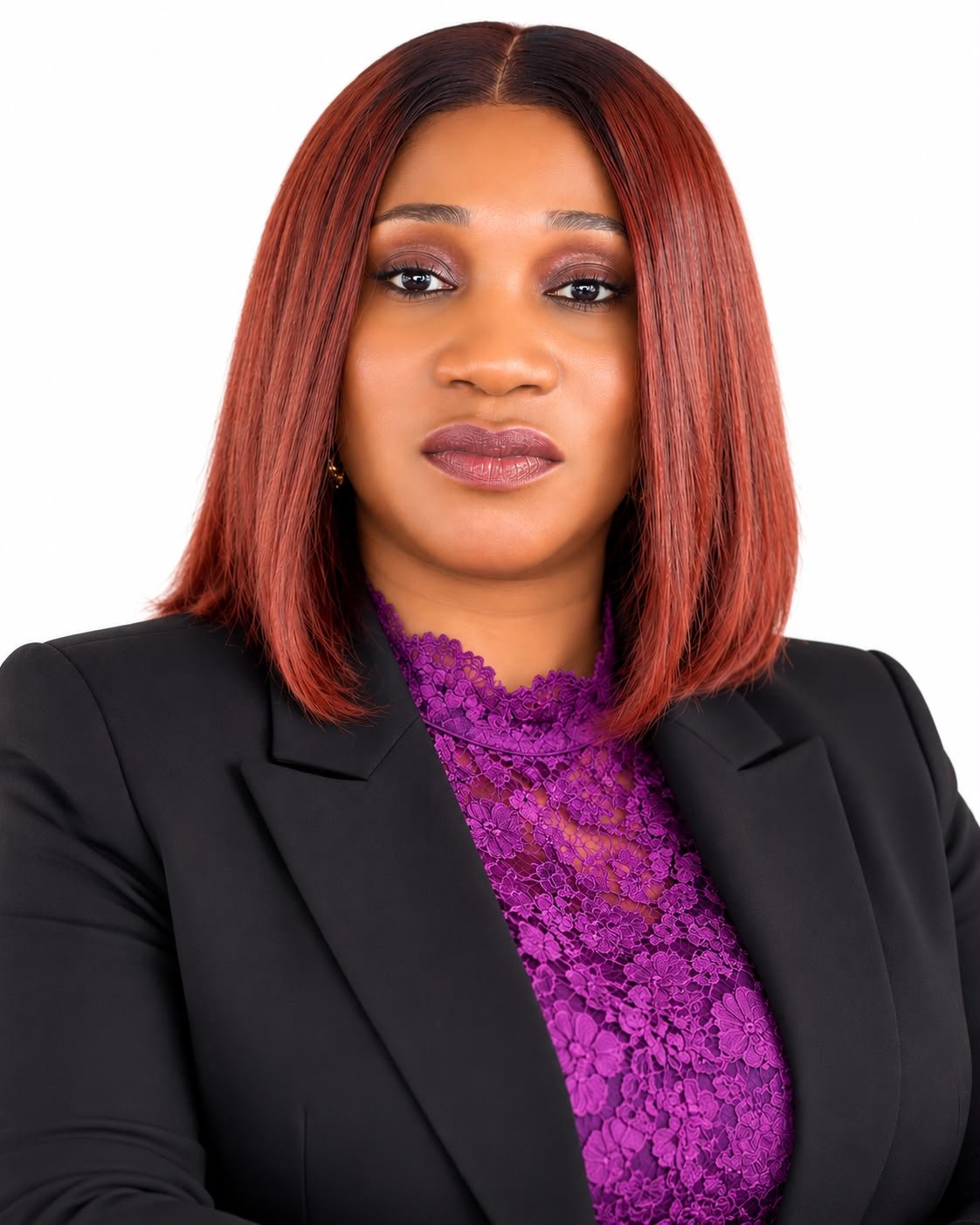
In a statement issued September 25, WONGOSOL, through its Executive Director Esther S.D. Yango said it welcomed the President’s focus on restoring trust, strengthening multilateral cooperation, promoting peace and security, and advancing inclusive development.
The organization also welcomed President Boakai’s recognition of the role women play in promoting peace, economic growth and accountable governance.
But she also said Liberia’s experience of war and its ongoing efforts to deal with the past make transitional justice and women’s participation important parts of the country’s peace and development efforts.
“Liberia’s journey from conflict to constitutional democracy cannot be fully understood without acknowledging the contributions of women to peacebuilding, the experiences of victims and survivors, and the unfinished work of transitional justice,” said Esther S. Davis Yango, Executive Director of WONGOSOL.
Women’s Role in Peacebuilding
WONGOSOL said women should have a meaningful role in preventive diplomacy, mediation and early-warning efforts.
The organization said Liberian women have served as peacebuilders, community leaders, mediators and advocates for reconciliation, and their participation should continue to be reflected in national peace and security efforts.
WONGOSOL said the Women, Peace and Security agenda should not stop at statements of support, but should be backed by funding, clear plans and accountability.
It also called for greater opportunities for women in political decision-making, peace processes, security institutions and national development planning.
“Commitments without resources, implementation mechanisms and accountability cannot become sustainable policy,” the organization said.
WONGOSOL Raises Transitional Justice Concerns
WONGOSOL also raised concerns about the absence of a direct reference to transitional justice in President Boakai’s UNGA speech.
The organization said the speech could have addressed Liberia’s Truth and Reconciliation Commission, accountability for crimes committed during the civil war, reparations for victims and survivors, reconciliation and memorialization.
According to WONGOSOL, these issues are closely linked to the President’s message about restoring public trust, strengthening institutions, promoting accountability and upholding the rule of law.
The organization called on the government to clearly state what is needed to establish and operate the War and Economic Crimes Court (WECC) and strengthen the Office of War and Economic Crimes Courts (OWECC).
It said the process will require political commitment, adequate funding, institutional capacity and support from Liberia’s international partners.
“The UN General Assembly was a significant opportunity for Liberia to tell the world not only that we are committed to transitional justice, but also what it will take to deliver it,” Yango said.
She said the establishment and operation of the WECC, as well as the transition of the OWECC into a functioning judicial institution, would require sustained political commitment, resources, institutional capacity and engagement with victims, survivors and civil society.
WONGOSOL also called for the strengthening of the Liberia Anti-Corruption Commission as part of efforts to improve accountability and the rule of law.
Women and Transitional Justice
WONGOSOL wants women’s experiences and concerns to be properly reflected in Liberia’s transitional justice process.
The organization called for the participation of women victims and survivors, documentation of conflict-related sexual and gender-based violence, gender-sensitive reparations, protection for victims and witnesses, and greater participation by women in truth-seeking and reconciliation efforts.
It also called for the preservation of women’s testimonies and historical records and said women should be recognized not only as victims of Liberia’s conflicts but also as peacebuilders and leaders in national recovery.
WONGOSOL further called for initial funding for the WECC and NACC to be included in the national budget and urged the government to establish a National Reparations Trust Fund.
Development Must Include Women
WONGOSOL also called for the government’s ARREST Agenda and other development programs to take women’s needs into account.
The organization said issues such as agriculture, roads, education, sanitation, tourism and access to justice directly affect women and girls.
It called for action to address barriers that limit women’s access to land, financing, markets, education, technology and decision-making.
WONGOSOL also urged the government to consider women’s needs in its response to climate change, while supporting women who are helping their communities deal with its effects.
“Restoring Trust Requires Justice”
WONGOSOL said Liberia’s experience with conflict and peacebuilding gives the country an opportunity to contribute to global discussions on peace, reconciliation and women’s leadership.
The organization said President Boakai’s UN speech provided an important opportunity, but added that commitments made internationally must be followed by action in Liberia.
It called for clear implementation plans and qualified institutions that can carry out the work without political interference.
“Restoring trust requires justice. Managing transformation requires inclusion. Sustaining peace requires women’s leadership. And reconciliation requires that we confront the past while building a more inclusive future,” Yango said.
WONGOSOL said gender equality, women’s participation in peace and security, transitional justice, accountability and reconciliation should be addressed together as Liberia continues its post-war recovery and democratic development.