
By Jeremiah Gayflor
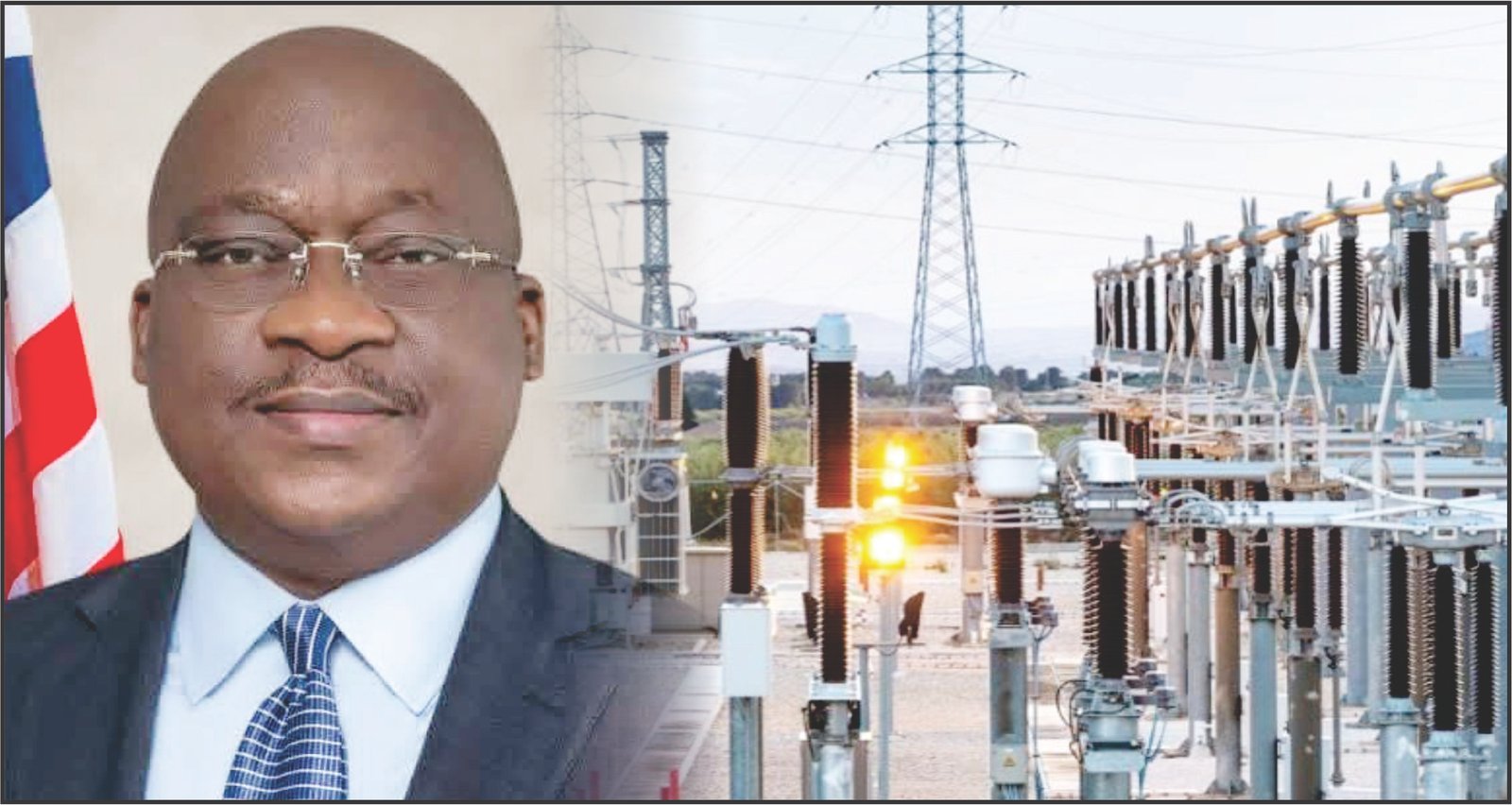
Monrovia, Liberia – More than a year after his appointment, scrutiny is intensifying over whether Mohammed Mulibah Sherif, Managing Director of the Liberia Electricity Corporation (LEC), has lived up to his bold pledge of delivering uninterrupted electricity to Liberians.
Sherif, appointed on April 1, 2025 by Joseph Boakai, took office amid high public expectations. At his induction on April 7, 2025, he made an ambitious commitment that quickly captured national attention.
“Our goal and commitment to Liberians is zero outage.
Power outage must be something of the past… Electricity is a right. Liberian people deserve electricity,” Sherif declared, promising to transform the country’s struggling power sector.
He was later confirmed by the Liberian Senate on July 22, 2025, cementing his authority as head of the country’s primary electricity provider.
Now, one year, one month, and two days into his tenure, many Liberians are asking a critical question: Has anything changed?
Across Monrovia and other parts of the country, reports of inconsistent electricity supply continue to surface. Residents in several communities say outages remain frequent, sometimes lasting hours or even days—far from the “zero outage” benchmark Sherif envisioned.
Energy analysts note that Liberia’s electricity challenges are deeply rooted, including aging infrastructure, limited generation capacity, and financial constraints within LEC. While some minor improvements in service delivery have been reported in select areas, the broader goal of stable, nationwide electricity remains elusive.
Public Sentiment
For ordinary citizens, the issue is not just about policy promises but daily life. Small business owners, students, and households continue to rely on costly alternatives such as generators and solar systems to cope with unreliable power supply.
“Nothing much has changed,” said one Monrovia shop owner. “We still experience outages regularly. Sometimes the power goes and stays off for hours.”
Others, however, urge patience, pointing out that reforming the electricity sector requires time and sustained investment.
Sherif’s administration has yet to publicly declare the “zero outage” target achieved. Industry observers say meeting such a promise would require significant upgrades to generation, transmission, and distribution systems—along with improved management efficiency.
As Liberia continues its push toward energy stability, Sherif’s early declarations now serve as a benchmark against which his leadership is being measured.
For now, the question remains open: Has the promise of “zero outage” become reality, or is it still a work in progress?
Have your say.