
Illegal encroachment on wetlands and the indiscriminate dumping of waste into rivers are accelerating across Monrovia, exposing thousands of residents to an increased risk of catastrophic flooding, environmental degradation, and public health emergencies.
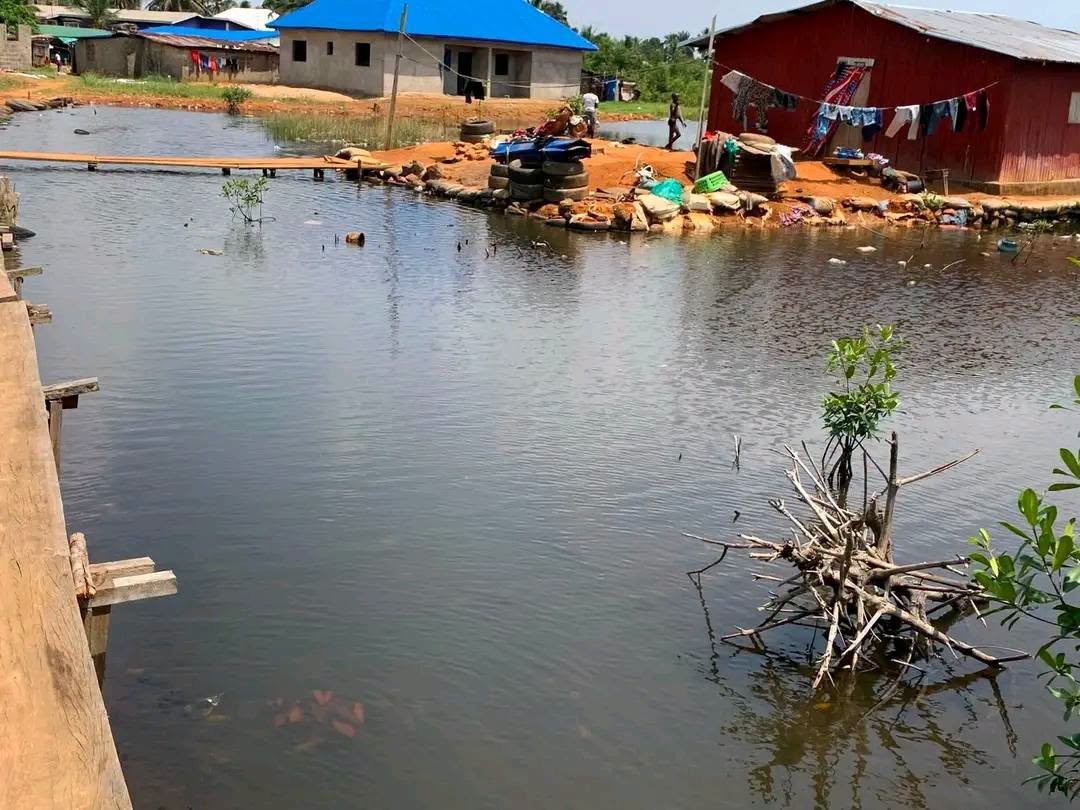
An investigation conducted across several communities found ongoing wetland reclamation for housing and commercial development despite the ecological importance of these protected areas. Large portions of wetlands are being filled with sand and laterite to create building sites, reducing the city’s natural capacity to absorb floodwaters during the rainy season.
Among the affected areas are Doe’s Community along the Japan Freeway, the Battery Factory community, Clarence Town, Jacob’s Town (Amagashie Community), and Peace Island, where construction activities continue on reclaimed wetlands. Residents say these developments have altered natural drainage systems and increased flooding in surrounding neighborhoods whenever heavy rains occur.
The investigation also found alarming levels of pollution in some of Monrovia’s major waterways. The Waterside River has become a dumping ground for household and commercial waste, with plastics, food waste, and other garbage obstructing the natural flow of water. Similarly, the Double Bridge River is reportedly being used as a disposal site for waste generated from Stephen Tolbert Estate and the Truck Garage Community, further contaminating the river and threatening nearby communities.
Environmental scientists warn that wetlands serve as natural flood barriers by storing excess rainwater, filtering pollutants, replenishing groundwater, and supporting biodiversity. Their destruction removes one of the city’s most effective natural defenses against flooding while increasing the likelihood of erosion, water contamination, and ecosystem collapse.
Despite existing environmental laws, residents and environmental observers say enforcement remains weak. Questions continue to mount over whether the Environmental Protection Agency (EPA), the Monrovia City Corporation (MCC), the Paynesville City Corporation (PCC), and other relevant institutions are adequately monitoring illegal developments or holding violators accountable.
Theo S. Weh an Environmental Science student who visited the affected communities described the situation as an environmental emergency requiring immediate government intervention.
“What we give to the environment is exactly what the environment will give back to us. Every wetland destroyed and every river turned into a dump site brings Monrovia one step closer to a major environmental disaster.”
Environmental experts caution that the continued destruction of wetlands and blockage of waterways could have devastating consequences if left unchecked. They point to experiences in other West African cities where poor urban planning, illegal construction, and inadequate waste management have contributed to severe flooding, displacement of residents, destruction of property, outbreaks of waterborne diseases, and significant economic losses.
The investigation underscores the urgent need for the Liberian Government to launch a nationwide crackdown on illegal wetland reclamation, halt unauthorized construction in protected areas, clear blocked waterways, prosecute environmental offenders, and strengthen enforcement of environmental regulations before the damage becomes irreversible.
Without immediate action, Monrovia risks sacrificing its wetlands and rivers and with them, one of its strongest natural protections against climate-related disasters.