

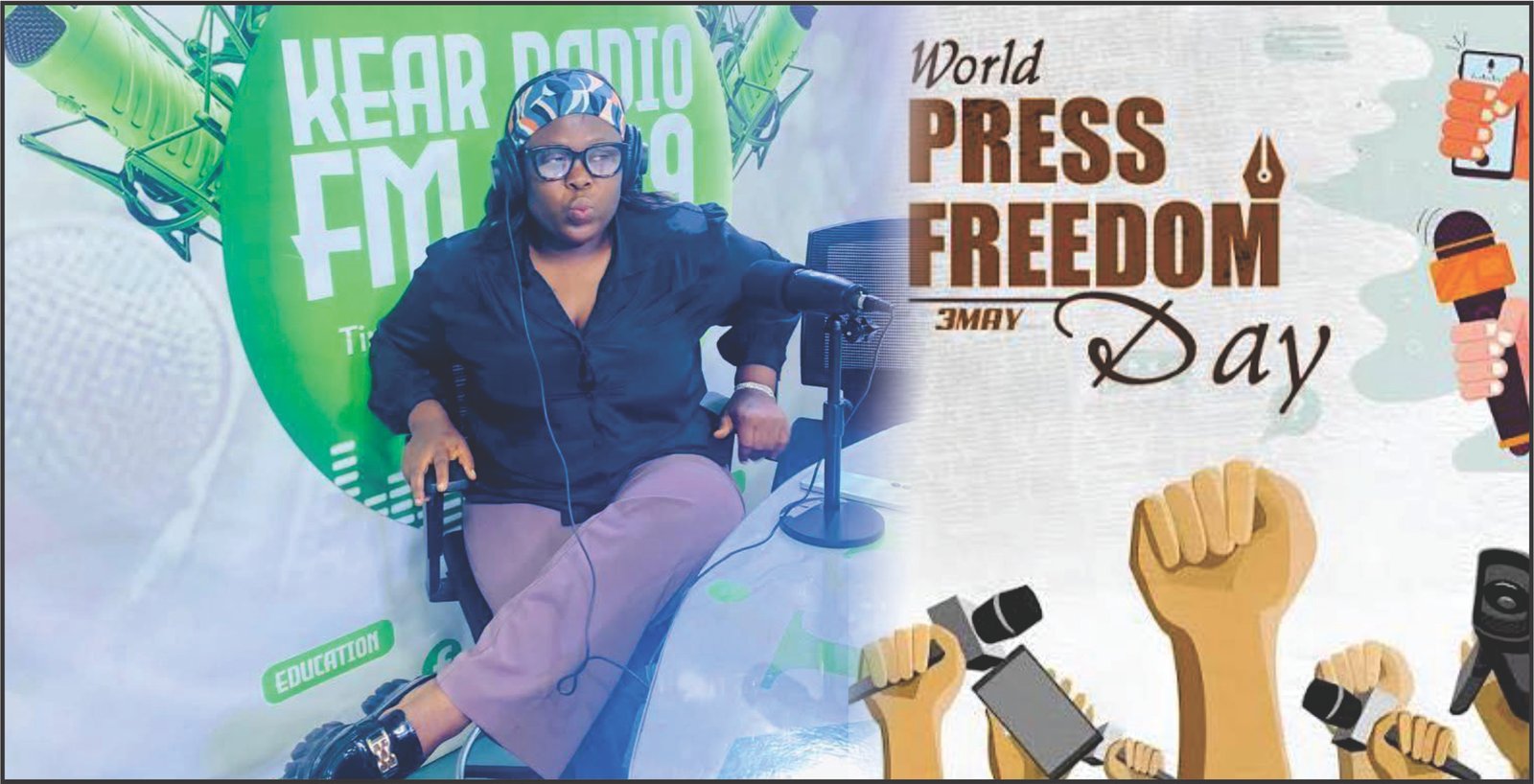
As Liberia joined the rest of the world in observing World Press Freedom Day 2026, a senior journalist has ignited a national conversation on the state of the media, accusing media owners and managers of being the “biggest threat” to press freedom in the country.
In a strongly worded open letter addressed to media executives, Princess Kamara, Assistant Secretary General-elect of the Reporters Association of Liberia, condemned what she described as systemic exploitation and neglect of journalists across Liberia.
“While you post flags and quotes about ‘democracy’s lifeline,’ your reporters are hungry,” Kamara wrote, highlighting the disconnect between public celebrations of press freedom and the harsh realities faced by journalists on the ground.
The letter outlines a series of grievances, including months of unpaid salaries, lack of basic working resources, and unsafe working conditions. According to Kamara, some journalists are owed between three months to a year in salary arrears, while still being expected to deliver breaking news under difficult circumstances.
“Your correspondents are walking and your editors are running newsrooms with no fuel, no internet and no insurance,” she stated, pointing to the operational challenges confronting many media institutions.
Kamara also raised concerns about editorial independence, accusing media managers of suppressing stories that may conflict with their political or financial interests. “You kill stories that offend your political friend… that’s not management that’s censorship with a payroll,” she asserted.
The open letter further criticizes the widespread practice of hiring journalists as “volunteers” without formal contracts or benefits, a situation she says leaves many media workers vulnerable and unprotected. She questioned how journalists are expected to resist unethical practices such as accepting “brown envelopes” when they are not adequately compensated.
Media sustainability remains a longstanding issue in Liberia, where many outlets struggle with limited advertising revenue and heavy reliance on political patronage. However, Kamara insists that financial challenges cannot justify what she described as the exploitation of journalists.
“If you cannot defend the reporter you sent into danger, you are not a manager you are a bystander,” she wrote, calling on media owners to provide legal protections and life insurance for their staff.