


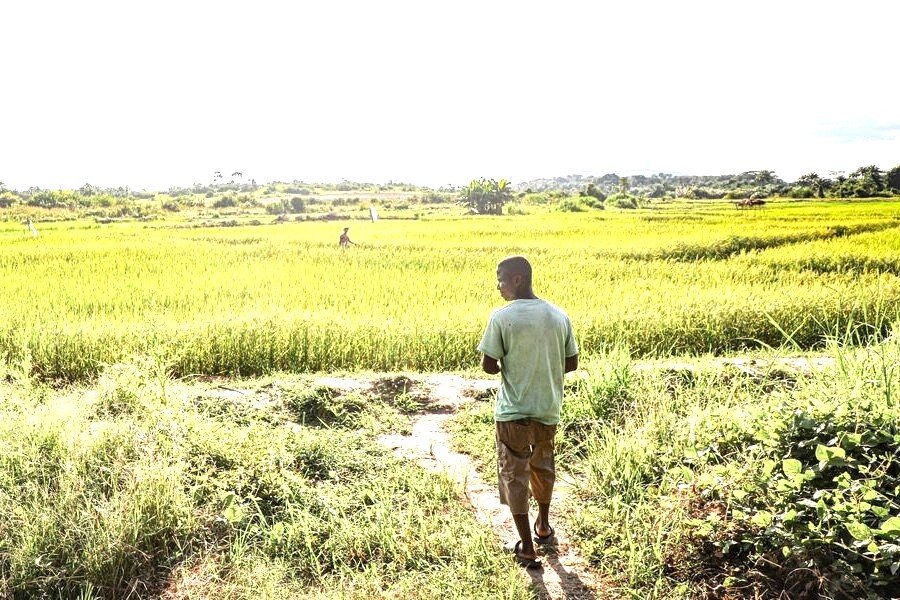
According to the Comprehensive Food Security and Nutrition Survey (CFSNS), 22.2 percent of households are food insecure, while 26.3 percent of children under five are stunted and 7.4 percent suffer from acute malnutrition.
The figures highlight the continuing struggle faced by many Liberian families as the country deals with economic pressures, climate-related shocks and public health challenges.
The 2025 Comprehensive Food Security and Nutrition Survey shows that food insecurity and poor nutrition remain major concerns, particularly in rural communities.
The survey found that more than one in five households do not have reliable access to sufficient food, while more than one in four children under five are affected by stunting.
Acute malnutrition also remains a concern, with 7.4 percent of children fewer than five affected, according to the survey.
The situation is unfolding alongside ongoing public health pressures. Liberia continues to respond to outbreaks of Mpox, Lassa fever and measles, while reduced external assistance and funding constraints are putting additional pressure on the country’s response capacity.
The government has identified agriculture, food security and human development as key areas under its ARREST Agenda for Inclusive Development 2025–2029.
The agenda, which focuses on Agriculture, Roads, Rule of Law, Education, Sanitation and Tourism, serves as the government’s framework for national development and its efforts to advance the Sustainable Development Goals.
International partners remain involved in efforts to address food insecurity and improve nutrition.
The World Food Programme (WFP) has begun a new Country Strategic Plan for Liberia covering 2026–2030, following approval by its Executive Board during its June session.
The Liberian government has expressed support for the plan and renewed its commitment to working with WFP on food security, nutrition and broader development priorities.
“The Government of Liberia expressed strong support for the new CSP and reaffirmed its commitment to continued collaboration with WFP to advance national development priorities, strengthen human capital, and address food security and nutrition challenges,” the statement said.
WFP has operated in Liberia since 1968, providing assistance and supporting government and community efforts to address hunger, nutrition and food insecurity.
The latest figures underline the scale of the challenge facing Liberia. For families already struggling with low incomes and limited access to basic services, rising food costs, poor harvests and health emergencies can quickly push them deeper into food insecurity.
Children are particularly vulnerable. Persistent under nutrition can affect growth and development, while acute malnutrition can become life-threatening if not treated promptly.
The survey’s findings are likely to reinforce calls for stronger investment in agriculture, rural livelihoods, nutrition programmes, healthcare and social protection.
As the government implements the ARREST Agenda and works with WFP under its new country plan, improving access to nutritious food and reducing child malnutrition will remain critical to Liberia’s development.